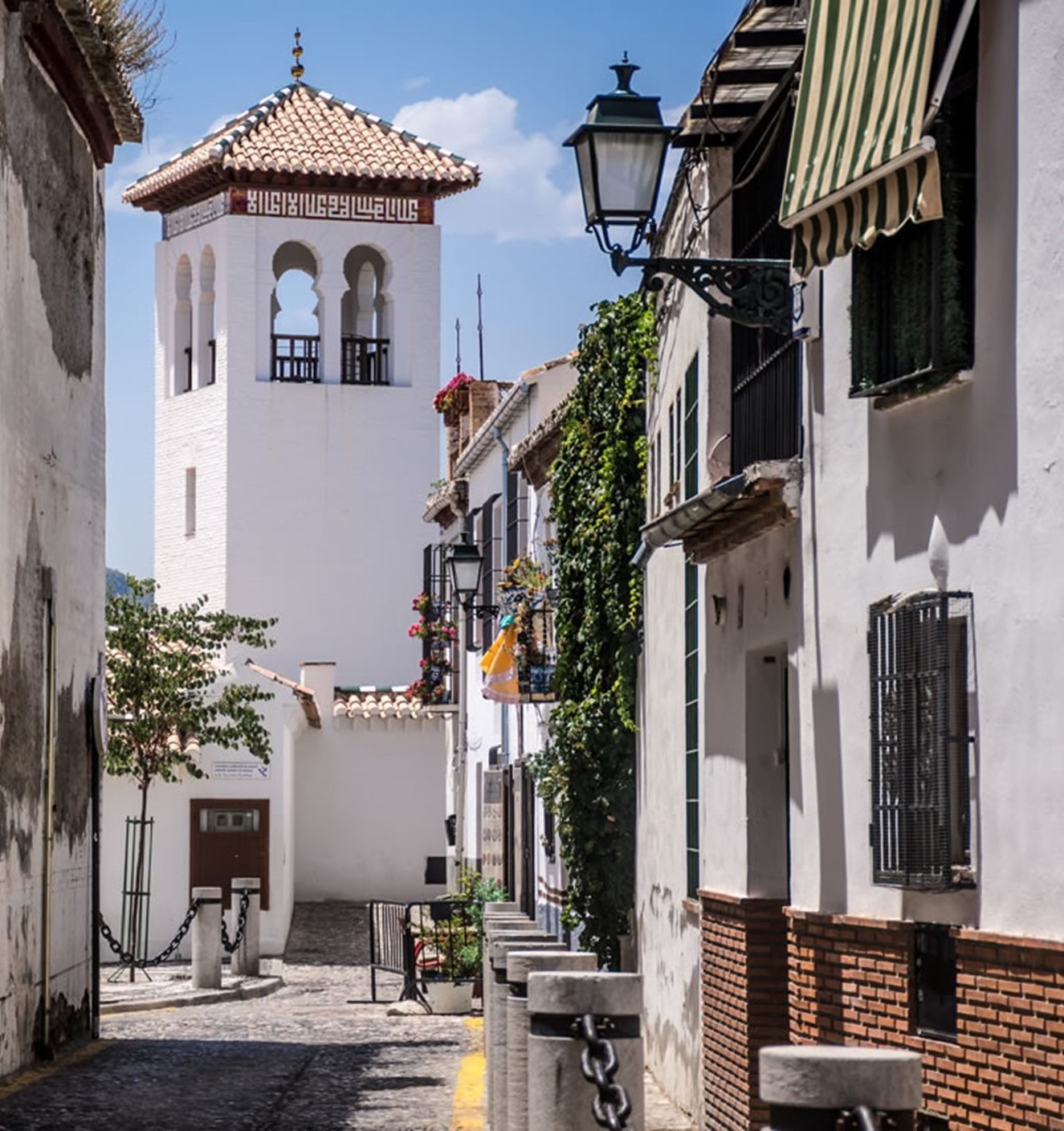













Granada, a Place Where History Breathes.
The guardian city of the Alhambra never disappoints. It constantly welcomes its visitors with a rich and varied agenda all year round, as well as with its immense monumental wealth.
No matter where you go, ruins, buildings, monuments, and historic sites appear, so the best thing to do is let yourself go, keep your eyes wide open, and marvel at it.
Here we present a complete guide for you to enjoy it as the city deserves. We provide you with a comprehensive list of where to invest your time, money, and energy if you have an upcoming trip planned.
Additionally, we offer a wide and varied choice of tours in Granada.
Granada awaits you with culture, art, flavors, and celebration. This city of great personality and ancestral customs is not only visited with all the senses; it fascinates and is enjoyed with the heart.
Programs for 1, 2, 3, 4, or 5-day trips to Granada; plus suggestions if you are traveling with children.
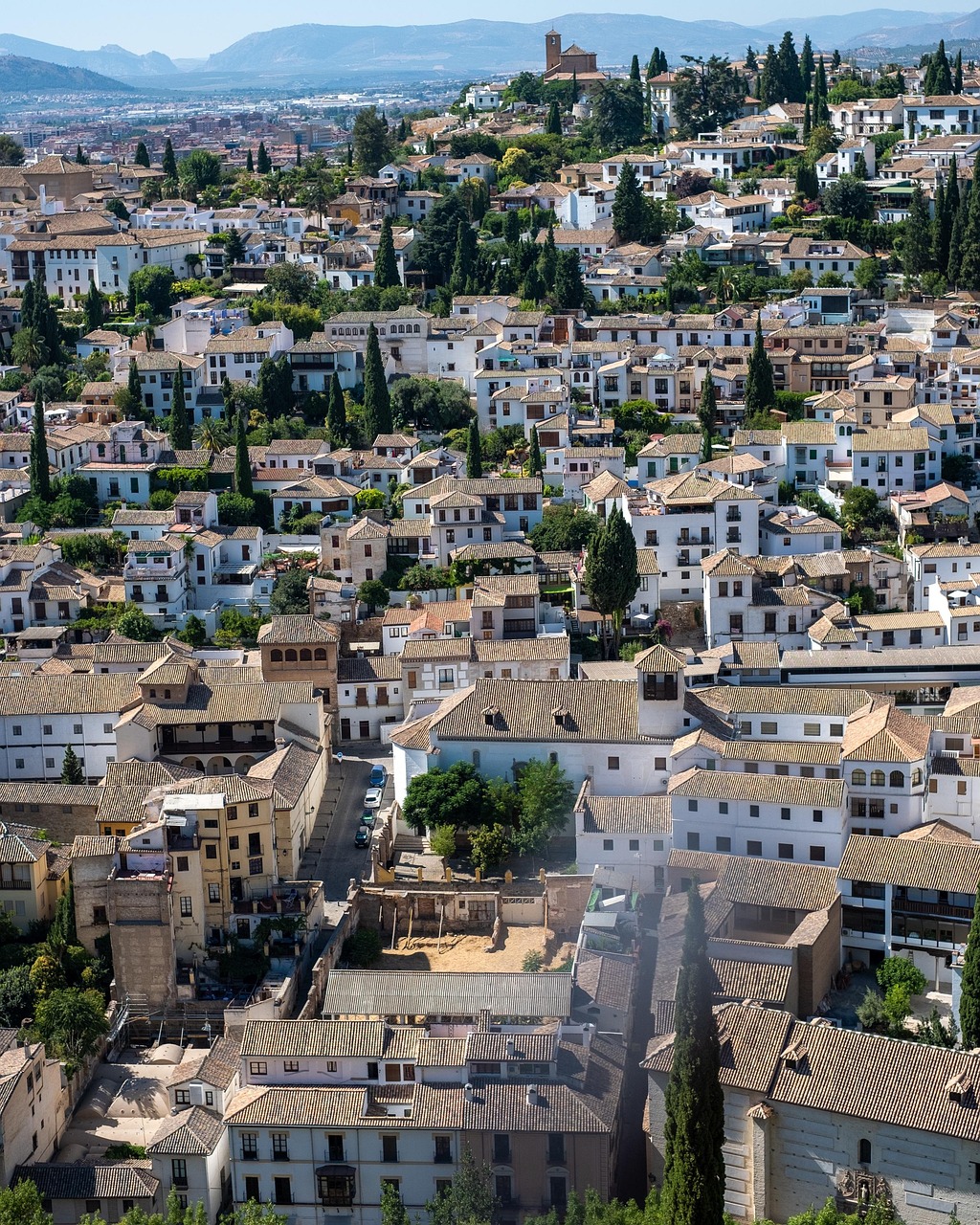
 * Panoramic view of the city of Granada from the Alhambra
Cultural Heritage
What to see in Granada?
Here is a list of the most outstanding essential landmarks that are a must-visit during your time in the city.
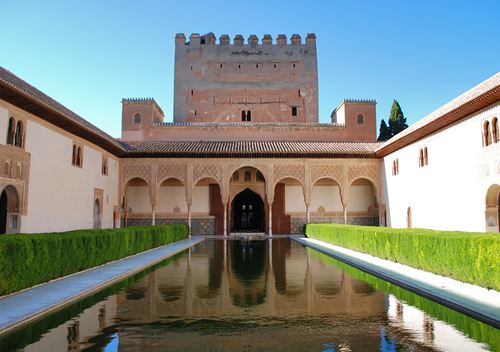
The Alhambra and the Generalife
The cultural heart of Granada beats in its monuments, but it is in The Alhambra where it beats loudest. Declared a UNESCO World Heritage Site (along with the Albayzín neighborhood and Flamenco), it is much more than a fortress: it is a palace complex housing centuries of Andalusi wisdom, poetry, and craftsmanship. Opposite it, at the top of the hill, lies the Generalife, with its geometric gardens and serene fountains that evoke the paradise described in the Quran.
It is an extraordinarily popular monument with a limited number of daily visitors; therefore, it is highly recommended to buy tickets for the visit in advance.
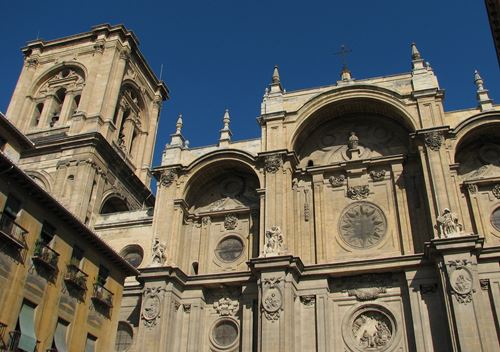
Cathedral and Royal Chapel
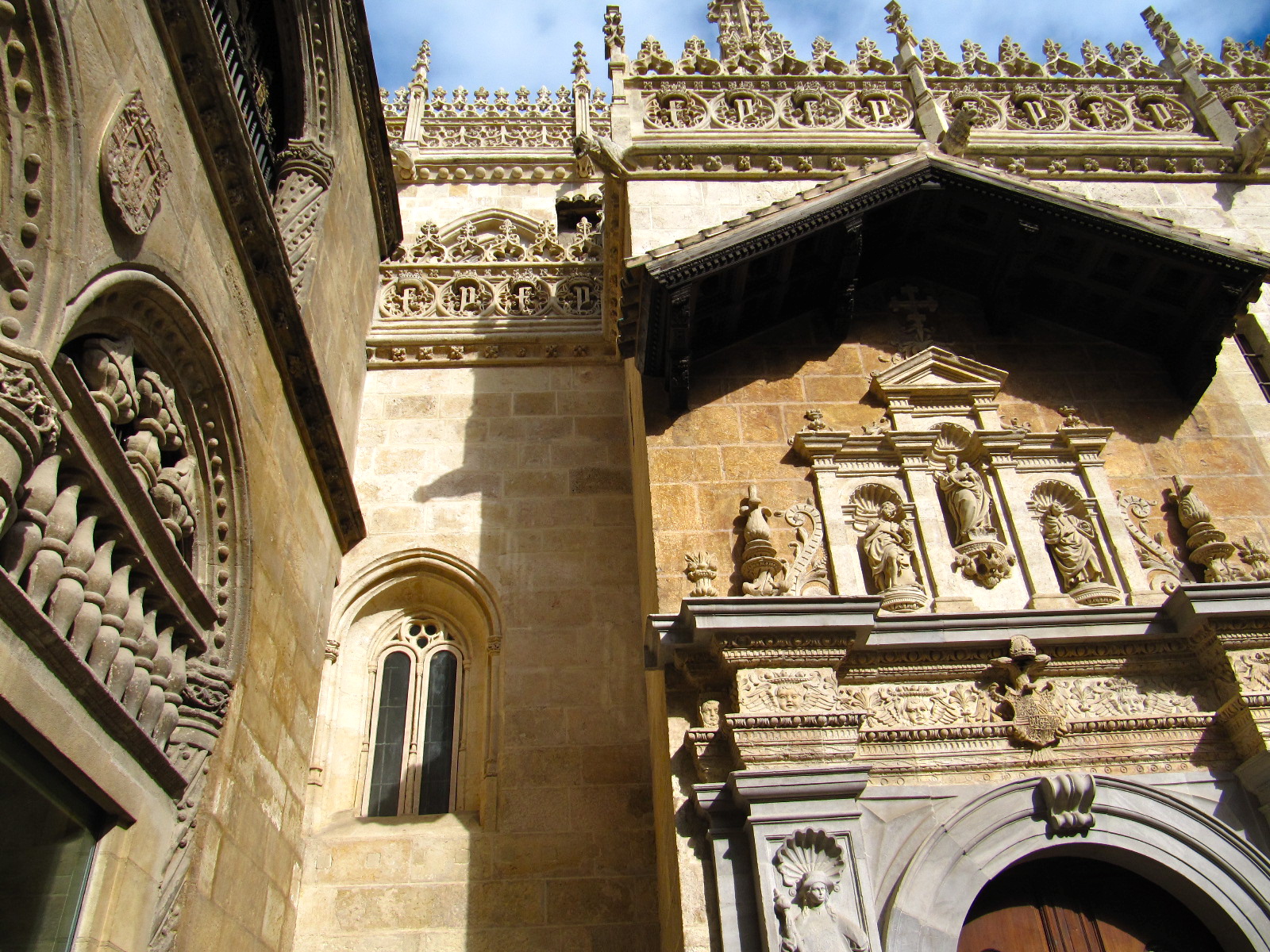
Following the Christian conquest, Granada incorporated new cultural symbols, such as the Renaissance-style Cathedral of the Incarnation; annexed to it is the Royal Chapel, the tomb where the remains of the Catholic Monarchs rest.
Historic Neighborhoods
Granada is a city to explore and discover at every step. The Albaicín (or Albayzín) neighborhood, with its narrow streets of Arabic origin (declared a UNESCO World Heritage Site in 1994); and the Sacromonte neighborhood, famous for its caves and flamenco, stand as witnesses to the cultural blending that defines the Granadine identity.
The Realejo is another historic and famous neighborhood located at the foot of the Alhambra. Known in Muslim times as Garnata al-Yahud (Granada of the Jews), it is today a bohemian, lively, and central area, famous for its mix of steep slopes, narrow alleys, the central and beautiful Campo del Príncipe, and a vibrant tapas culture.
Ethnological Museum of the Gypsy Woman and the Zambra Museum
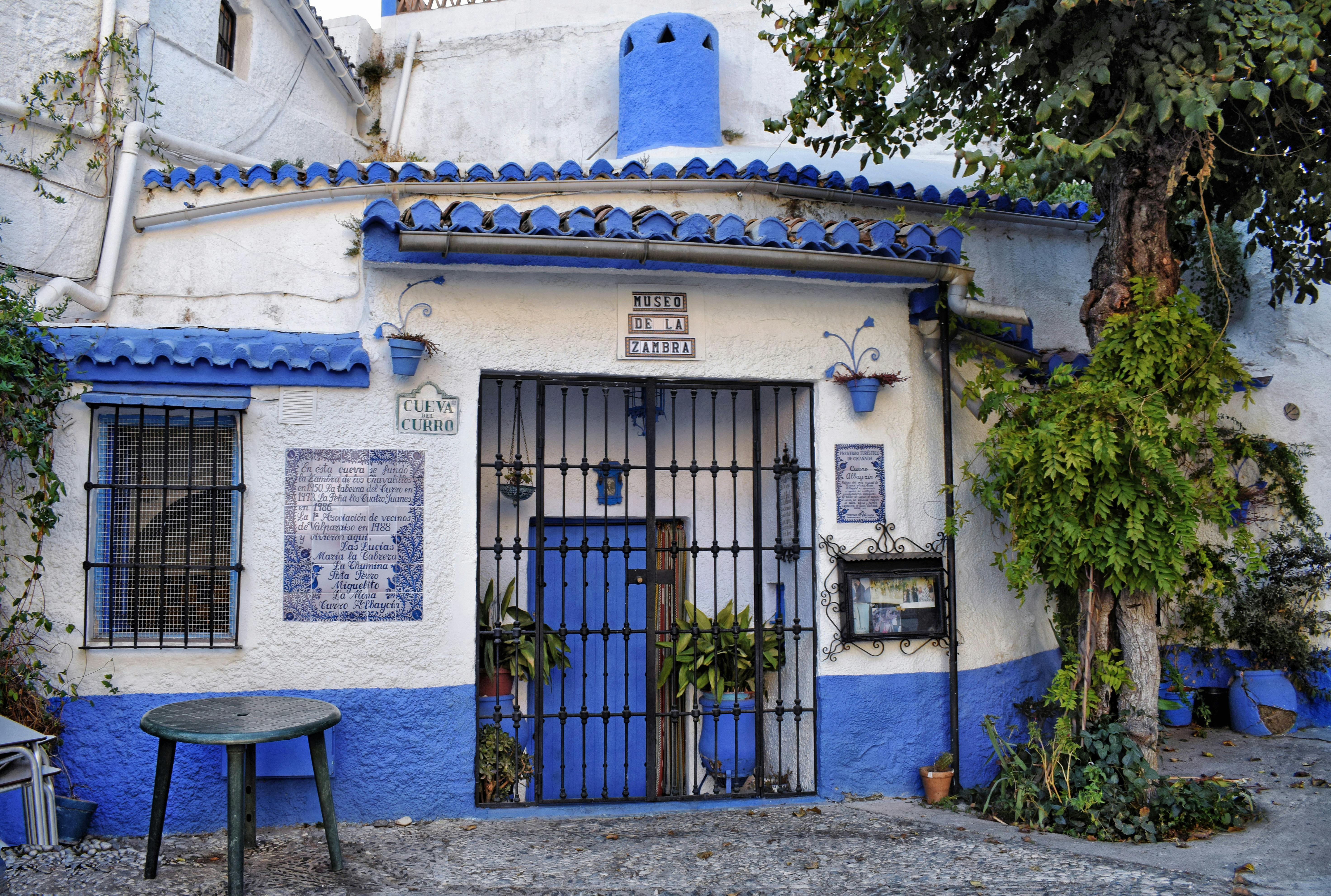
Located in the Sacromonte neighborhood, these museums are unique in the world. The first narrates the history, language, and culture of the Gypsy (Roma) people in Spain, highlighting the role of women as transmitters of cultural values and the fundamental core of the Calé or Romani family. The second is a traditional cave exhibiting Gypsy culture, typical decoration, and everything related to the native art, singing, and dancing of flamenco, serving as a cultural and tourist benchmark.
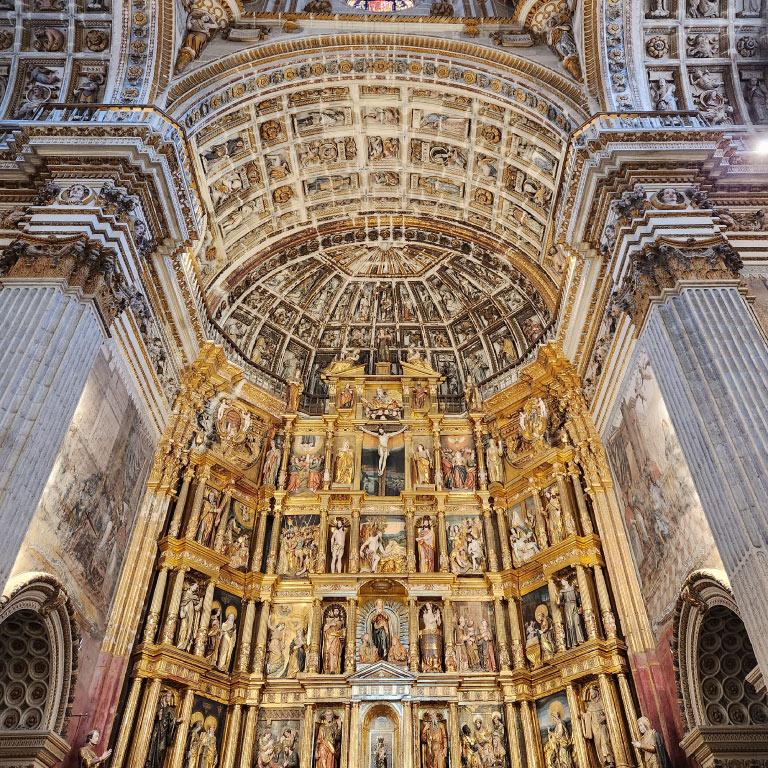
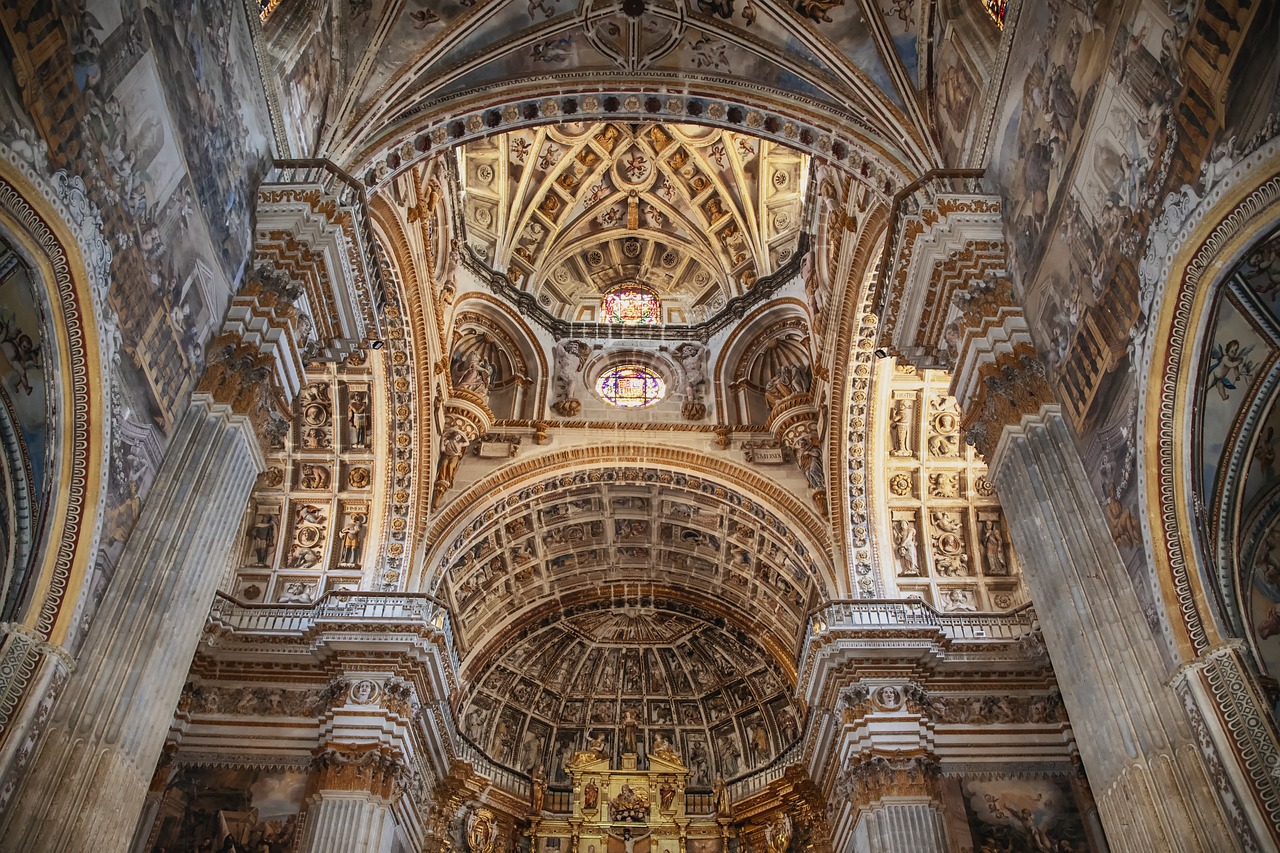 * Interior of the Granada Cathedral and Royal Chapel monument
Places of Interest
What to do in Granada?
Some of the most fundamental and essential things include:
- The Alhambra and the Generalife, the epicenter of Nasrid splendor and the great altar of Granada, dominant and silent, always watching over the city.
- The San Nicolás Viewpoint (Mirador de San Nicolás), from which you can contemplate an unparalleled view of the Alhambra with the Sierra Nevada in the background. One of the most iconic and visited places in Granada by both tourists and locals alike, it offers one of the most spectacular panoramic views in the world; especially at sunrise and sunset.
- The Albaicín, the Moorish neighborhood of cobbled alleys and whitewashed houses.
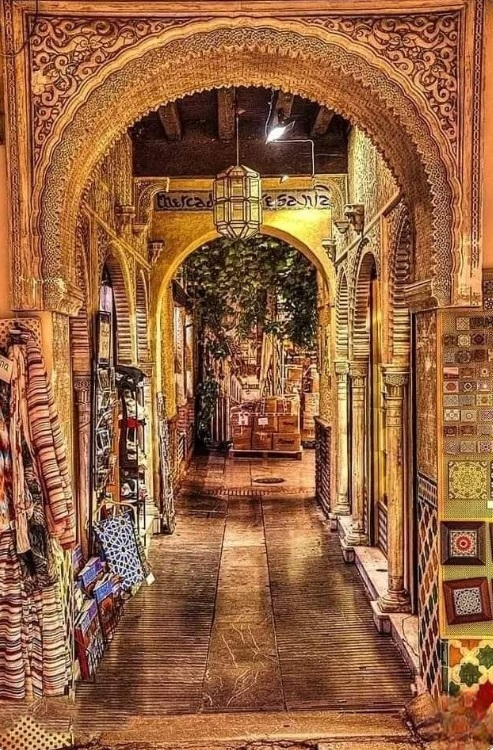
- The Alcaicería of Granada is one of the most emblematic spots with the greatest historical flavor in the city. It is an ancient Arabic souk located in the heart of the old town, next to the Cathedral and the Royal Chapel. It was the grand market of the historic center during the Nasrid period, particularly from the 13th to the 15th centuries. Its name comes from the Arabic al-Qaysariya, which designated closed and exclusive markets where high-value products were sold, such as silks, spices, incense, jewelry, ceramics, and luxury items...
- The Cathedral and the Royal Chapel, a testament to the Christian Renaissance and the burial site of Isabella I of Castile and Ferdinand II of Aragon.
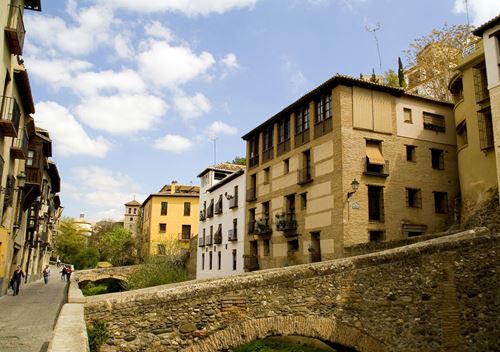
- The Carrera del Darro, one of the most beautiful, photographed, and magical streets in the world, running along the river course at the foot of the Alhambra.
- Sierra Nevada, ideal for enjoying its ski resort in winter or taking part in hiking and adventure sports in summer.
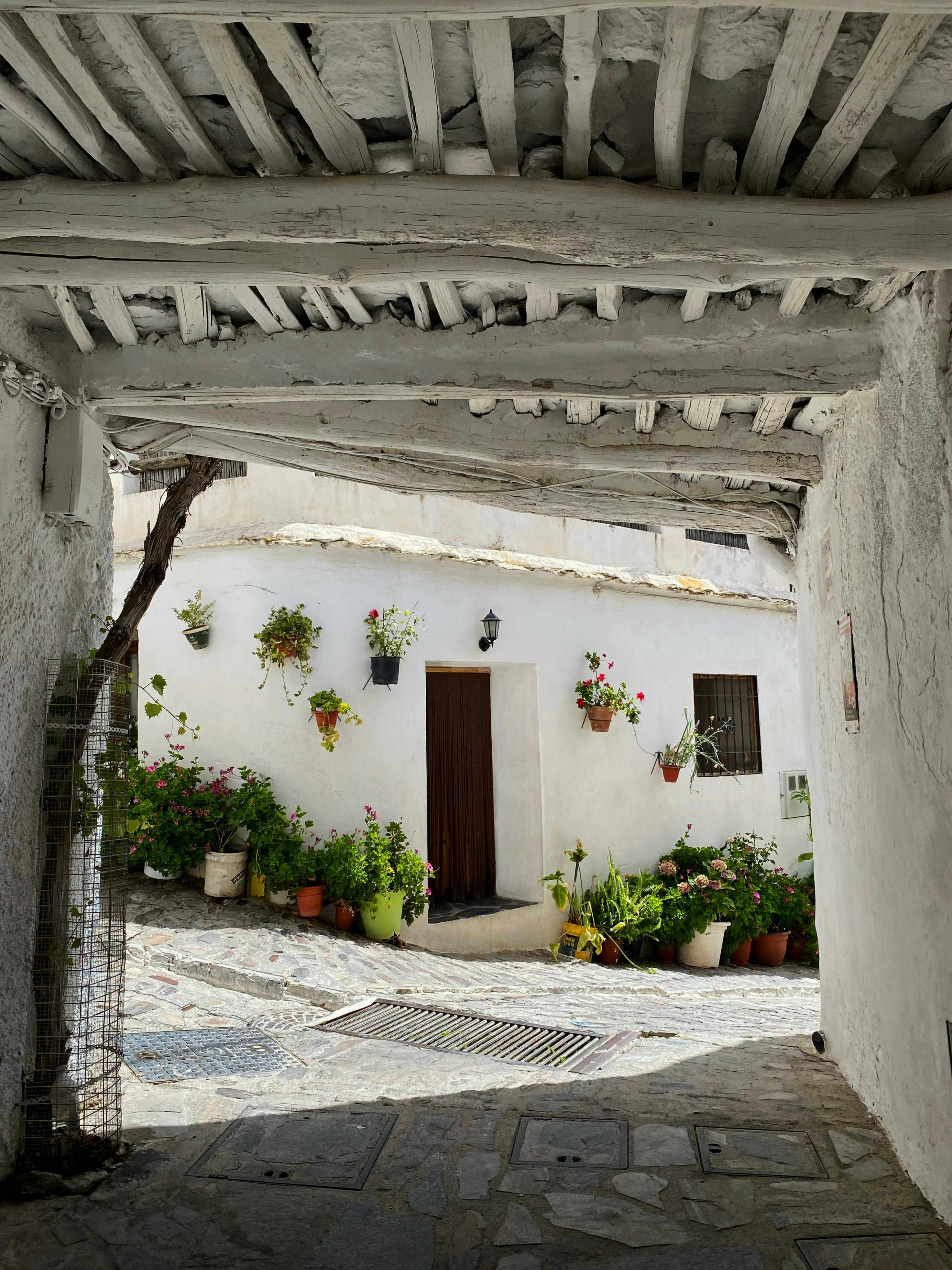
- La Alpujarra, located on the southern slopes of the Sierra Nevada, is famous for its spectacular landscapes, white villages, and rich cultural heritage. Its whitewashed houses, with flat roofs and cylindrical chimneys, evoke its Moorish past. Towns like Pampaneira, Bubión, and Capileira, declared Historic-Artistic Sites, offer cobbled streets, textile crafts, and traditional gastronomy. The region combines tradition, culture, peace, authenticity, and direct contact with nature and the living history of Andalusia. A destination where time seems to stand still.
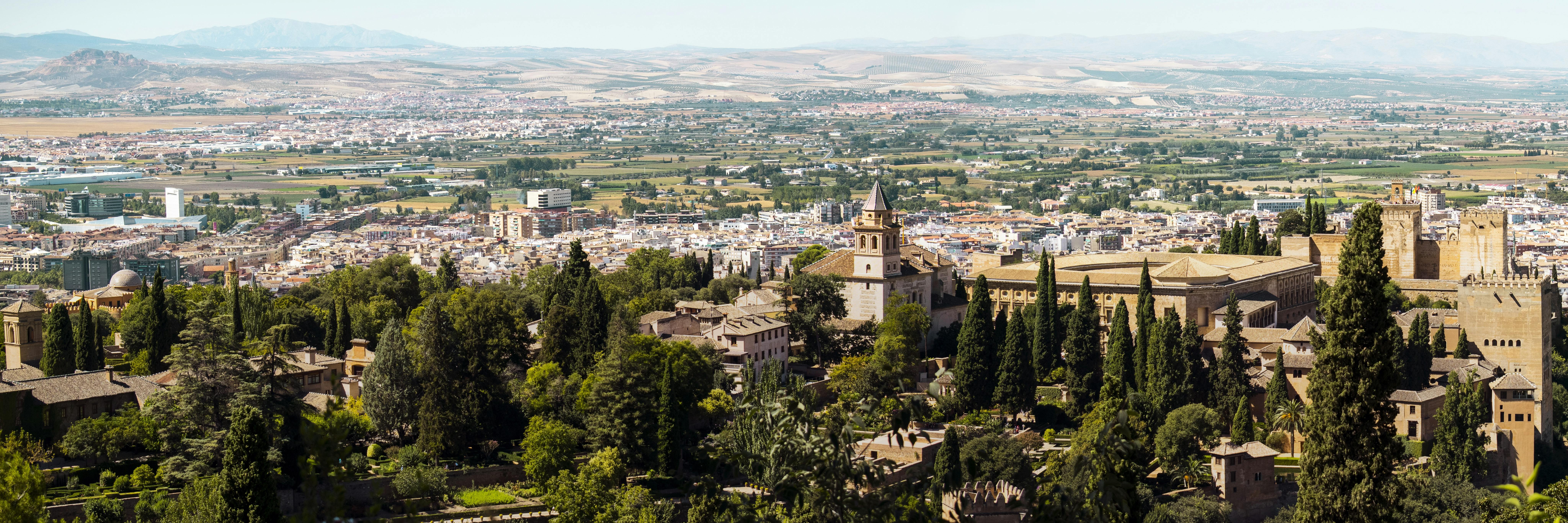 * Aerial view with the city of Granada at the foot of the Alhambra
Other Key Monuments
What to visit in Granada?
In addition to the detailed monuments below, Granada boasts numerous sites and elements classified as Assets of Cultural Interest (BIC), ranging from historical buildings to cultural landscapes.
- Monastery of San Jerónimo - The first monastery built after the Christian conquest of the city, notable for its Renaissance architecture and its ornate cloister.
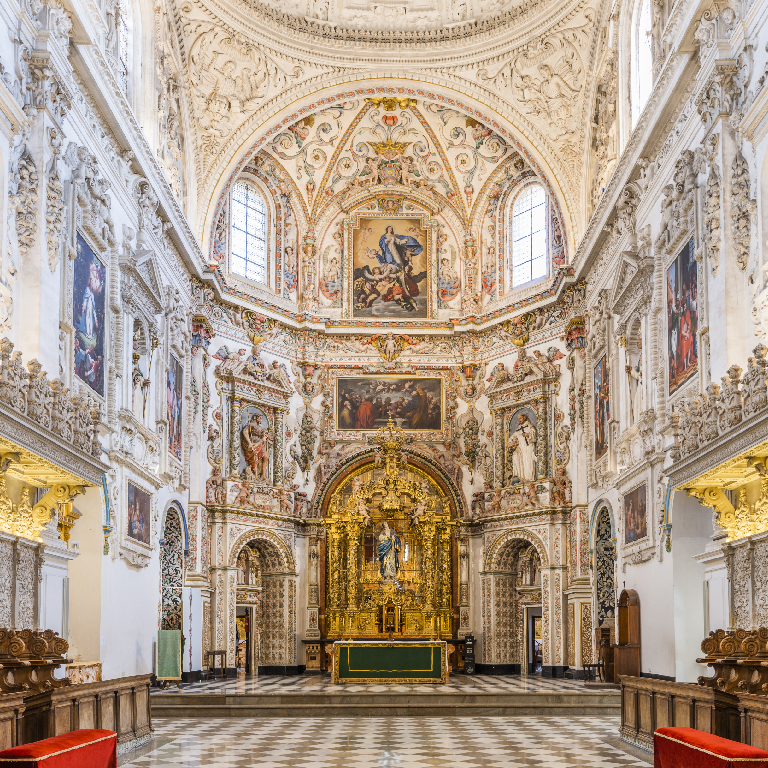
- Granada Charterhouse (La Cartuja) - A Carthusian monastery renowned for its rich Baroque decoration and its importance in the city's religious history.
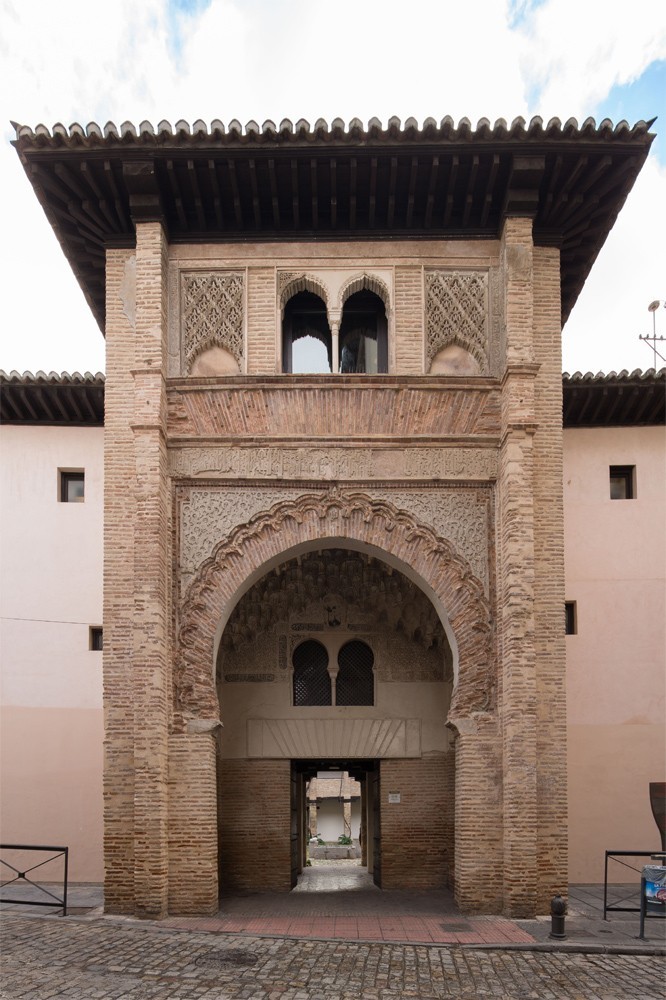
- Corral del Carbón - An ancient Nasrid alhóndiga (grain storehouse) that served as a warehouse and lodging for merchants; it is the only building of its kind preserved in the Iberian Peninsula.
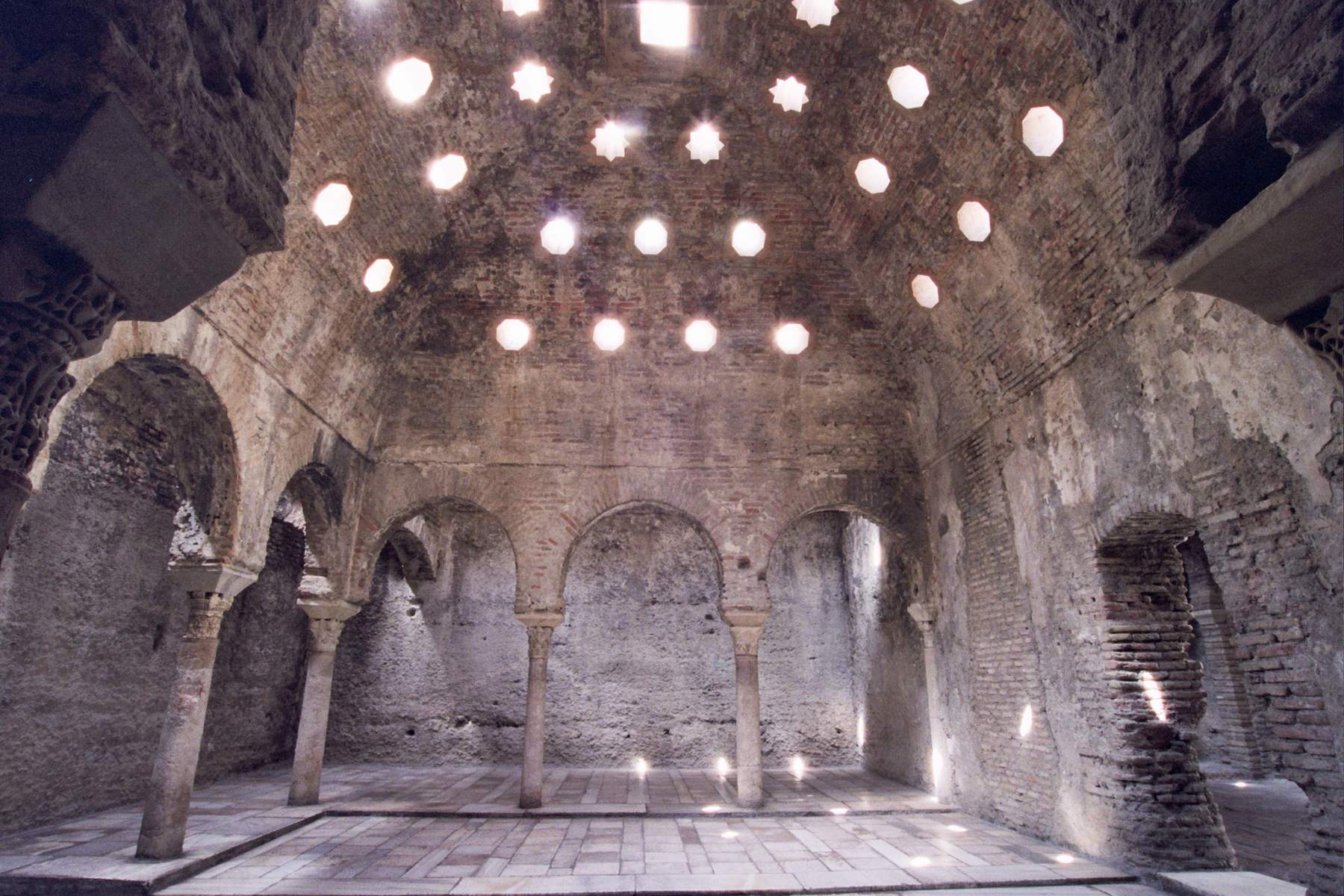
- Arab Baths (El Bañuelo) - One of the best-preserved Arab baths in Spain, offering a glimpse into daily life during the Muslim era.
- Elvira Gate and Monaita Gate - Remains of the ancient defensive walls and entrance gates to the city, serving as testaments to medieval Granada.
- Elvira Arch (Arco de Elvira) - The ancient main gateway to the city during the Islamic period, built in the 11th century by the Zirid sultans. Although it has undergone modifications over the centuries, it retains its Nasrid outer arch and stands as a symbol of Granada's historical legacy. It inspired the poet Federico García Lorca, who mentions it in his work 'Diván del Tamarit'.
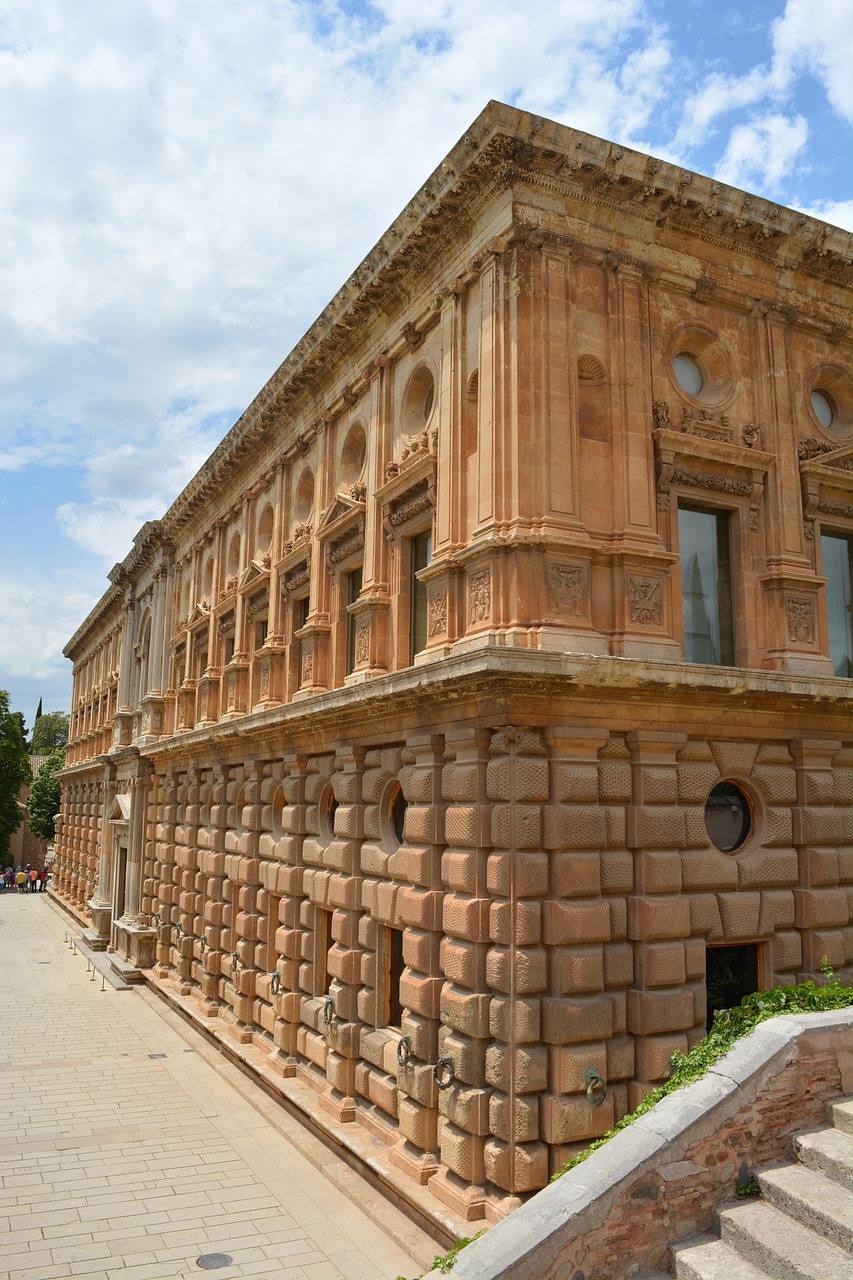
- Palace of Charles V - Located within the Alhambra complex, this Renaissance palace was conceived as an imperial residence by Charles V. Although it was never fully completed, today it houses the Museum of the Alhambra and the Granada Museum of Fine Arts.
Much More to Know in Granada
Do you want to discover it thoroughly?
For the curious and those deeply in love with this land, you can continue with all these sites on your visit to Granada.
- Suspiro del Moro (The Moor's Sigh), a hill located about 20 km from the city of Granada, between the current towns of Otura and El Padul. Here, Sultan Aixa, mother of Boabdil, the last Nasrid king of Granada, reprimanded him for not being able to defend his kingdom against the Christians. It was at this spot that she said the famous phrase to her son that would go down in history: "Weep like a woman for what you could not defend like a man," as he left the Alhambra after the fall of Granada and wept seeing the splendid past and memories he was leaving behind on his way to exile in the Alpujarras, stopping to look at Granada one last time.
- Royal Hospital (Hospital Real) - A Renaissance building that currently houses part of the University of Granada, originally founded by the Catholic Monarchs to care for the sick and the poor.
- Cuarto Real de Santo Domingo - An ancient 13th-century Nasrid palace located in the Realejo neighborhood. It stands out for its main hall featuring original plasterwork and ceilings.
- Zafra House (Casa de Zafra) - A prime example of a 14th-century Moorish house located in the Albaicín. It currently functions as the neighborhood's visitor center, providing insight into life in Islamic Granada.
- Chapiz House (Casa del Chapiz) - A complex of two 16th-century Moorish houses located in the Albaicín. It currently houses the School of Arabic Studies and is an outstanding example of Moorish architecture.
- Dar al-Horra Palace - The residence of Boabdil's mother, the last Nasrid king, this 15th-century palace is a prominent example of Islamic domestic architecture. Located in the Albaicín, it offers panoramic views of the city and preserves original elements such as plasterwork and coffered ceilings.
- Church of San Juan de Dios - A Baroque temple built in the 18th century by the Hospital Order of Saint John of God. It is noted for its rich interior ornamentation, featuring gilded altarpieces, frescoes, and a decorated dome.
- Córdova Palace (Palacio de los Córdova) - A 16th-century Renaissance building, relocated stone by stone to its current location on the Paseo de los Tristes. It currently houses the Municipal Archive and is used for cultural events.
- Tiros House (Casa de los Tiros) - An ancient 16th-century fortified residence whose facade features battlements and a Renaissance doorway. Inside is the Museum of the City of Granada, which displays exhibitions on local history.
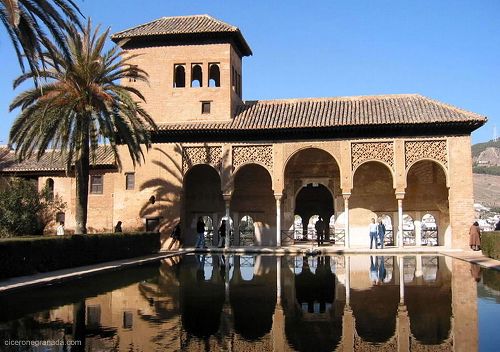
- The Ladies' Tower (Torre de las Damas) and its Medieval Arrocabe - In the Alhambra, the Torre de las Damas has recently recovered its medieval arrocabe, a decorative wooden frieze that was missing for nearly two centuries. This 2.25-meter-long piece was returned to the Patronato de la Alhambra by the descendants of the romantic traveler Richard Ford, who acquired it in 1833. Its restoration and reintegration into the monument bring significant historical value.
- Iberian Wall in the Albaicín - During restoration work on the 11th-century Zirid wall in the Albaicín neighborhood, underlying structures were discovered, including an Iberian wall and a Roman wall. This find reveals the layering of diverse historical eras in the city, stretching from the Iberian era in the 6th century BC, through the Roman period, and up to the Muslim era.
- Vermilion Towers (Torres Bermejas) - The Torres Bermejas, located on the Sabika hill, have undergone an archaeological intervention that has revealed their original structure. Connected directly to the Alcazaba of the Alhambra, these towers served as a prison and military barracks until the 20th century. The complete restoration will conclude soon, allowing them to open to the public for cultural purposes.
- The Madraza of Granada - The first public university in Al-Andalus, and therefore one of the earliest Arabic universities. It was founded in 1349 by the Nasrid king Yusuf I and offered classes in mathematics, law, and theology, among other disciplines.
- The Town of Santa Fe - A town of immense historical importance and monumental wealth, known as the cradle of Hispanicity in Spain. Founded in 1491 by the Catholic Monarchs as a military camp-city during the final phase of the Reconquista, it was designed and built in just 80 days with a strict military character: complete with walls, a moat, towers, and four monumental entrance gates.
- Birthplace and Museum of Federico García Lorca in Fuente Vaqueros - The home where the poet was born in 1898, offering tours through its original rooms and exhibitions featuring personal objects, manuscripts, and memorabilia, bringing visitors closer to the childhood and cultural legacy of the Granadine author.
- Huerta de San Vicente - This was the summer residence of the García Lorca family in Granada. Converted into a house-museum, it preserves original furniture, objects, and documents, offering an intimate journey through Federico's life and work during his most creative period.
- Royal Hospital (Hospital Real) - Boasting a majestic exterior, founded in 1504 by the Catholic Monarchs, it today houses the headquarters of the Rectorate and the library of the University of Granada. It stands out for its impressive Marble Courtyard (Patio de los Mármoles), a Renaissance jewel decorated with royal emblems, seamlessly blending Gothic, Renaissance, and Mudéjar styles.
- Sacromonte Caves Museum (Museo Cuevas del Sacromonte) - Features eleven original caves recreated as homes, stables, kitchens, and traditional craft workshops—basketry, forge, ceramics, loom—to illustrate Gypsy and peasant life since the 15th century. It also displays the origins of flamenco and offers a Nature Classroom explaining the fauna, vegetation, and geology of the Darro valley. Panoramic views of the Alhambra can be admired from its viewpoint.
- Museum of the Gypsy Woman - Located in the restored caves of the La Chumbera complex. Inaugurated in 2006 by the ROMI Association of Gypsy Women, it offers free guided tours to delve into Romani history, traditions, and culture, highlighting the central role of women as transmitters of values, serving as a living, feminist tribute to Granada's Gypsy legacy.
- Sacromonte Abbey (Abadía del Sacromonte) - A monumental and spiritual complex founded at the beginning of the 17th century by Archbishop Pedro de Castro following the discovery of the relics of Saint Cecilio and the enigmatic Lead Books (Libros Plúmbeos). Featuring an impressive cloister decorated with Stars of David and the Castro coats of arms, it houses the church dedicated to the Virgin of the Assumption and four chapels within the Holy Caves. Since 2010, it has housed a museum featuring works by Goya, ancient manuscripts, incunabula, and sacred art. It is also a pilgrimage center for devotees of Saint Cecilio and the Christ of the Gypsies (Cristo de los Gitanos).
- Zambra Museum (Cueva Curro) - Located in the iconic Sacromonte neighborhood of Granada, this is an authentic corner of Gypsy flamenco and Romani culture. This historic cave, home to the charismatic Curro Vázquez, preserves photographs, traditional utensils, and family keepsakes that narrate local life and traditions, as well as the unique habits and ways of life of the Gypsy people.
- Costa Tropical - Granada's coastline bordering the Mediterranean Sea, with over 70 km of beaches, coves, and cliffs. Protected by the Sierra Nevada, it benefits from a subtropical microclimate with an annual average temperature of 18–20°C and around 320 days of sunshine a year. Key tourist hubs include Almuñécar, Salobreña, Motril, Castell de Ferro, and La Rábita, blending history, modern tourist infrastructure, and fantastic sports options: diving, windsurfing, sailing, golf, hiking, climbing, or paragliding. Its agricultural wealth is unique in Europe thanks to crops such as custard apple (chirimoya), avocado, mango, papaya, and sugar cane, which are reflected in a vibrant seafood and tropical gastronomy. Additionally, the region features protected natural spaces like the Maro-Cerro Gordo Cliffs and agritourism routes, ideal for combining sun, culture, and nature.
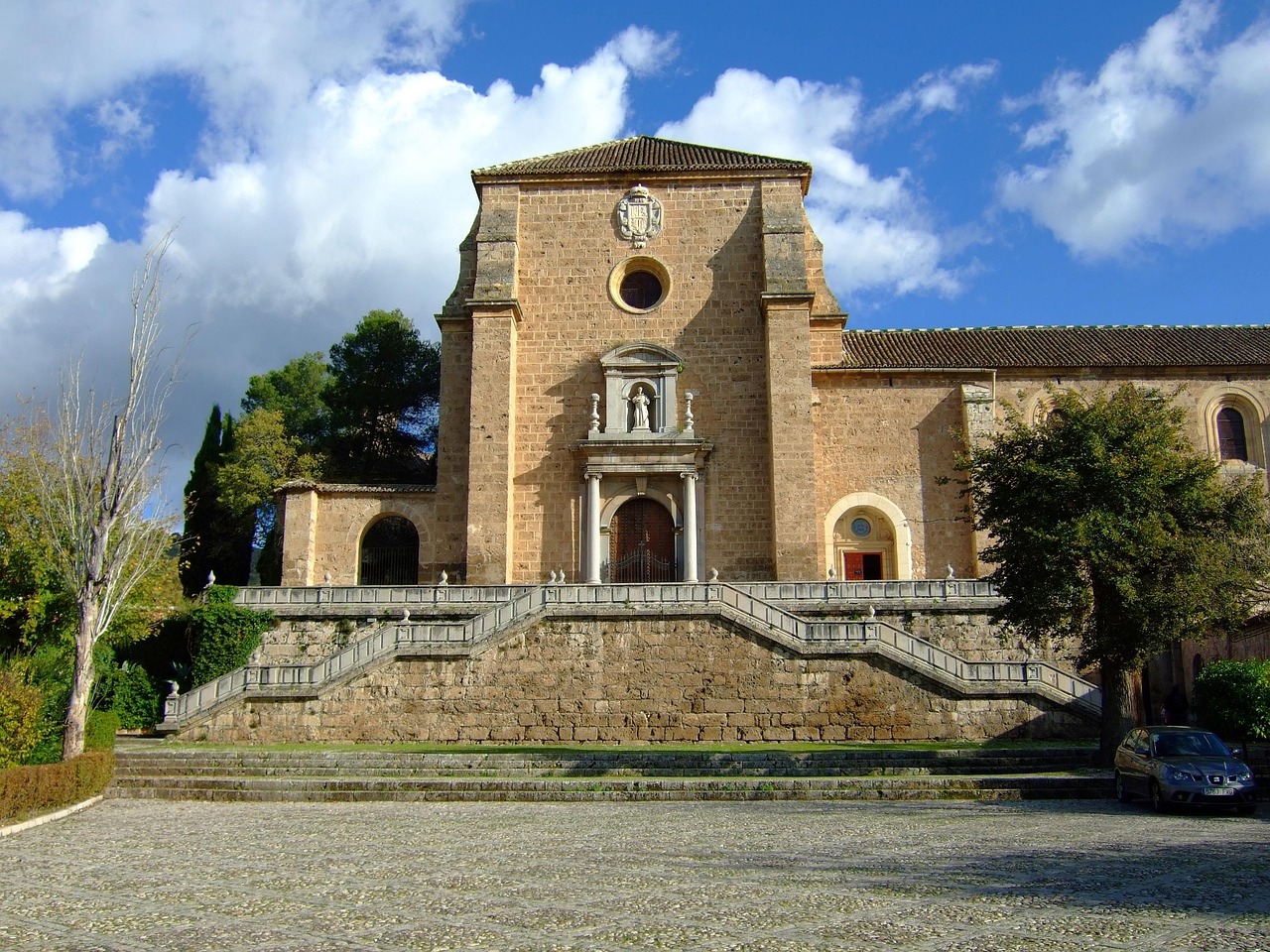 * Charterhouse Monastery (Monasterio de la Cartuja)