













Granada — A City of Contrasts and Surprises
One of its greatest attractions — beyond visiting the Alhambra, of course — is the extraordinary possibility of skiing in the Sierra Nevada in the morning and relaxing on the Mediterranean coast in the afternoon. Granada is also home to one of Spain's most vibrant university communities, centred around its prestigious University, founded in 1531.
The city offers a remarkable variety of cultural, leisure, and entertainment options, as well as one of Andalusia's most celebrated cuisines — a rich blend of Andalusian, Moorish, and Spanish influences. Granada enjoys a pleasant Mediterranean climate, with warm summers and mild winters. This beautiful city is waiting to welcome you. What are you waiting for?
We have put together ideas for 1, 2, 3, 4 or 5-day breaks in Granada — whether you are travelling solo, as a couple, or with the family.
.jpg) * Plaza de Bib-Rambla — Historic city centre.
* Plaza de Bib-Rambla — Historic city centre.
Many theories exist about the true origin of the city's name. The most widely accepted traces back to the 11th century, when the Zirid dynasty moved the capital of their kingdom from Medina Elvira to Medina Garnata. "Medina" was the Arabic word for city — and from Medina-Garnata came "Ciudad de Granada", and eventually simply Granada. Other sources suggest the name derives from the Arabic gar-anat ("hill of pilgrims"), a reference to pilgrims who crossed the desert carrying the pomegranate — the fruit that remains the city's symbol and emblem to this day.
Where Dreams Breathe Between Mountains
Nestled at the foot of the Sierra Nevada and just a short distance from the Mediterranean coast, Granada is one of the most iconic cities in southern Spain. Celebrated for its monumental heritage, its multicultural past, and its vibrant university life, Granada embodies centuries of history, art, and spirituality.
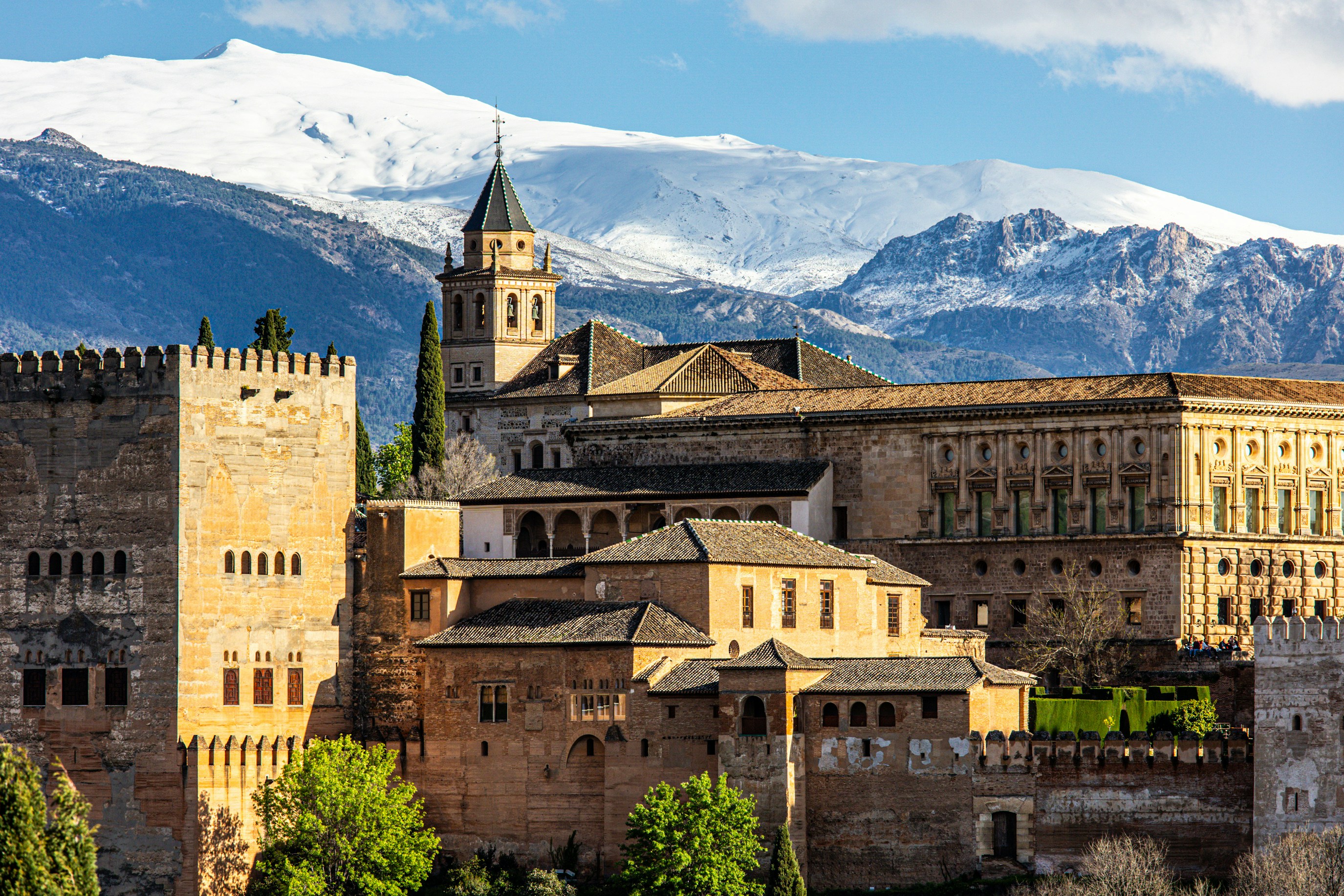 * The Alhambra and Generalife with the Sierra Nevada in the background.
A Journey Through History
Ancient and Roman Period
Granada's history is a journey through time and civilisations. Its origins stretch back to the Iberian and Roman periods in the 7th century BC, when the city was known as Ilíberis. Under Roman rule it became part of the province of Baetica, distinguished by its strategic position on the commercial trade routes.
Islamic Rule and the Nasrid Kingdom
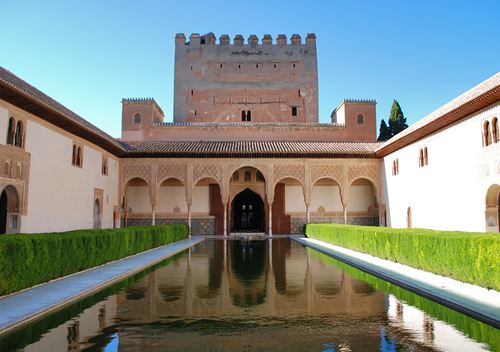
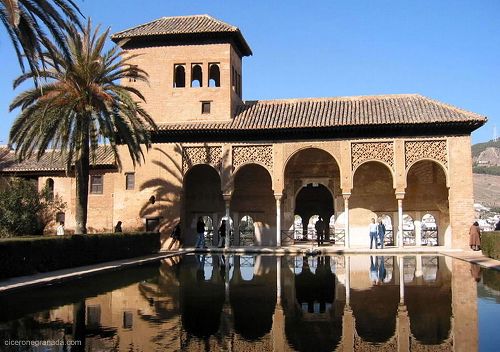
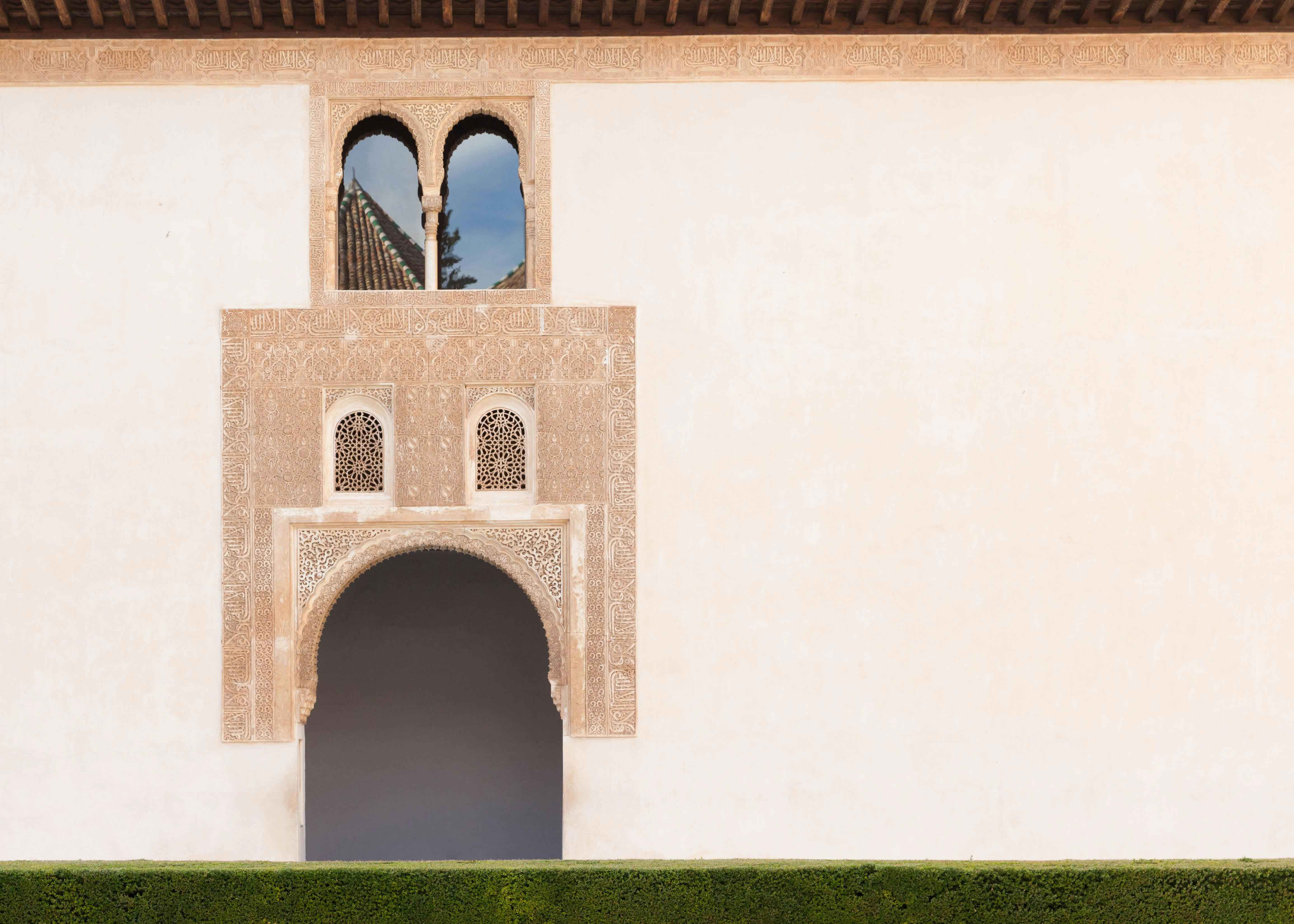
Granada's true transformation began with the arrival of the Muslims in 711, when it was absorbed into Islamic Al-Andalus. In the 13th century, following the fall of the Caliphate of Córdoba and the collapse of the Taifa kingdoms, Granada became the capital of the last Muslim kingdom on the Iberian Peninsula: the Nasrid Kingdom, founded by Muhammad I in 1238. For more than two centuries, Granada flourished as a centre of culture, art, and science. This period saw the construction of its most celebrated monument: the Alhambra — a masterpiece of Islamic architecture.
The Reconquista and the Modern Era
The Nasrid golden age came to an end in 1492, when the Catholic Monarchs, Isabella of Castile and Ferdinand of Aragon, conquered the city — marking the end of the Reconquista and the beginning of a new Christian era on the Iberian Peninsula. In the aftermath of the conquest, more than 4,000 Arabic manuscripts were lost forever, burned on the orders of Cardinal Cisneros in an attempt to eradicate Islamic culture — an irreparable loss to world heritage.
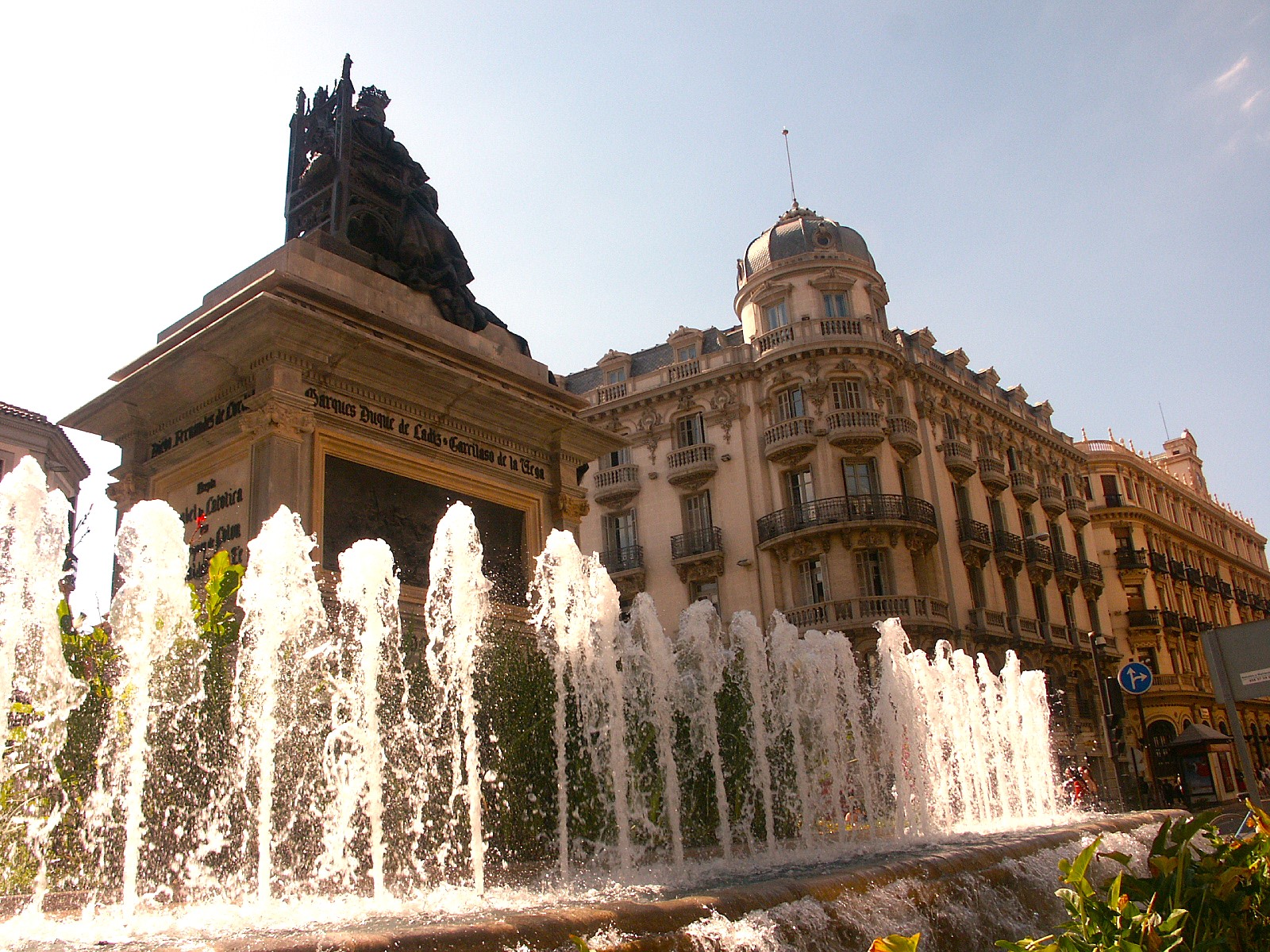 * Statue of Isabella the Catholic and Christopher Columbus.
Key Dates
- 711: Beginning of Islamic rule on the Iberian Peninsula.
- 1238: Foundation of the Nasrid Kingdom.
- 1492: Conquest of Granada by the Catholic Monarchs. Boabdil signs the Capitulations in the town of Santa Fe.
- 1499–1500: Burning of the Granadan manuscripts on the orders of Cardinal Cisneros.
- 1808–1812: French occupation during the Peninsular War.
- 1984: The Alhambra and the Albaicín are declared UNESCO World Heritage Sites.
Key Historical Figures
- Boabdil — the last Nasrid king, who surrendered the city to the Catholic Monarchs in 1492.
- Isabella I of Castile and Ferdinand II of Aragon — the Catholic Monarchs who unified Spain and brought the Reconquista to a close with the conquest of Granada.
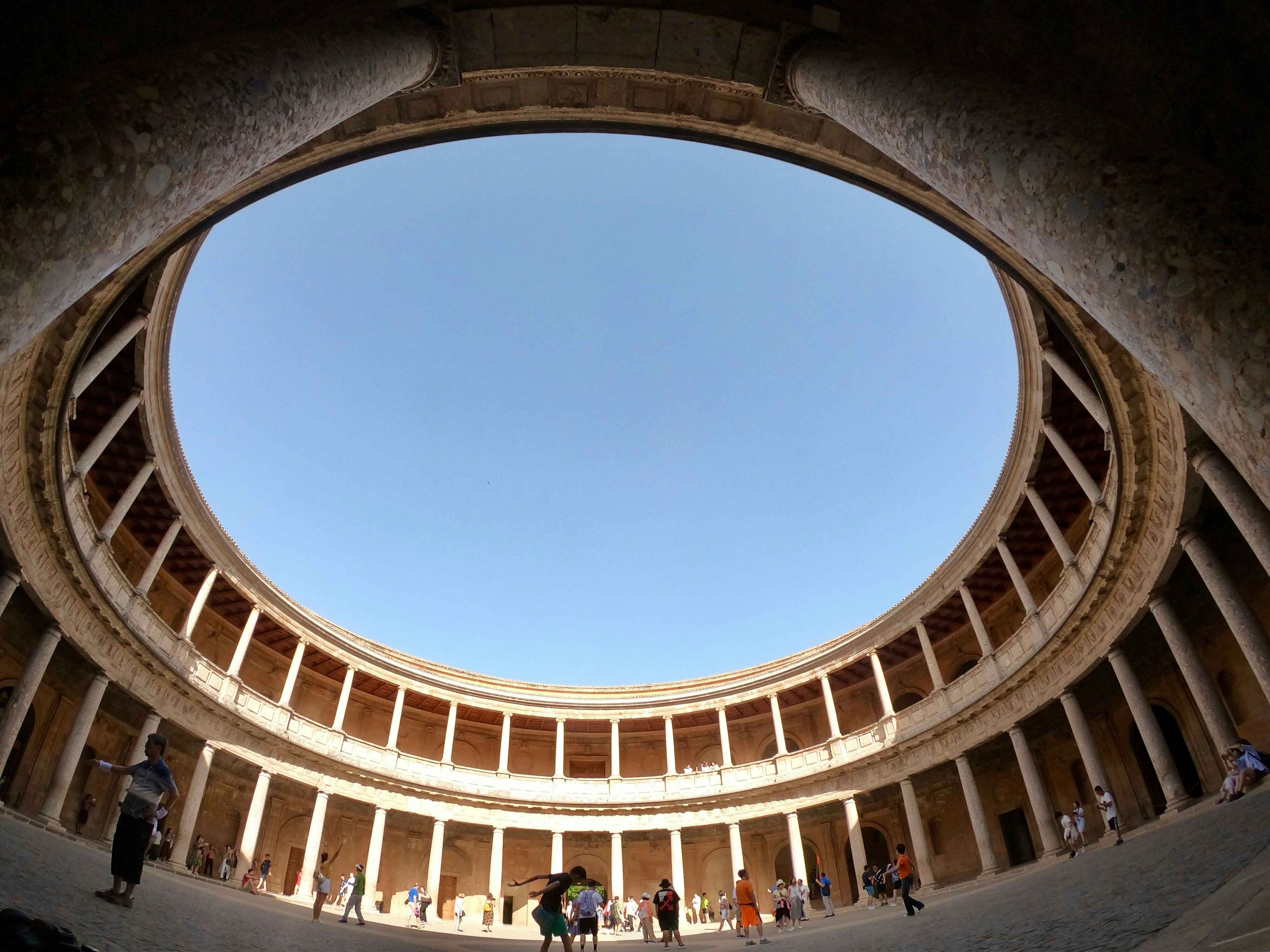
- Charles V — the Holy Roman Emperor who commissioned his palace within the Alhambra complex.
- Federico García Lorca — one of the most universally celebrated poets of the 20th century, born in Fuente Vaqueros, Granada. His work and tragic fate made him a symbol of Spanish culture and historical memory.
- Juan de Ariza — Romantic-era writer born in Motril, author of A la heroica Granada. Cantos.
- Mariana Pineda — heroine of the Spanish liberal cause against the absolutism of Ferdinand VII, executed for refusing to betray her companions.
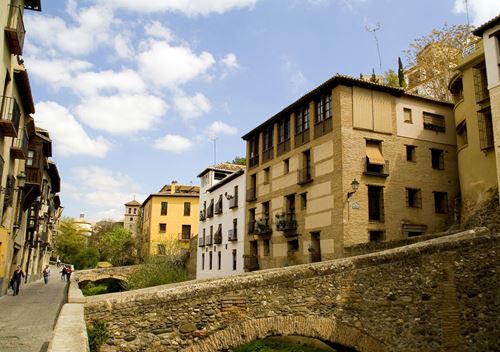
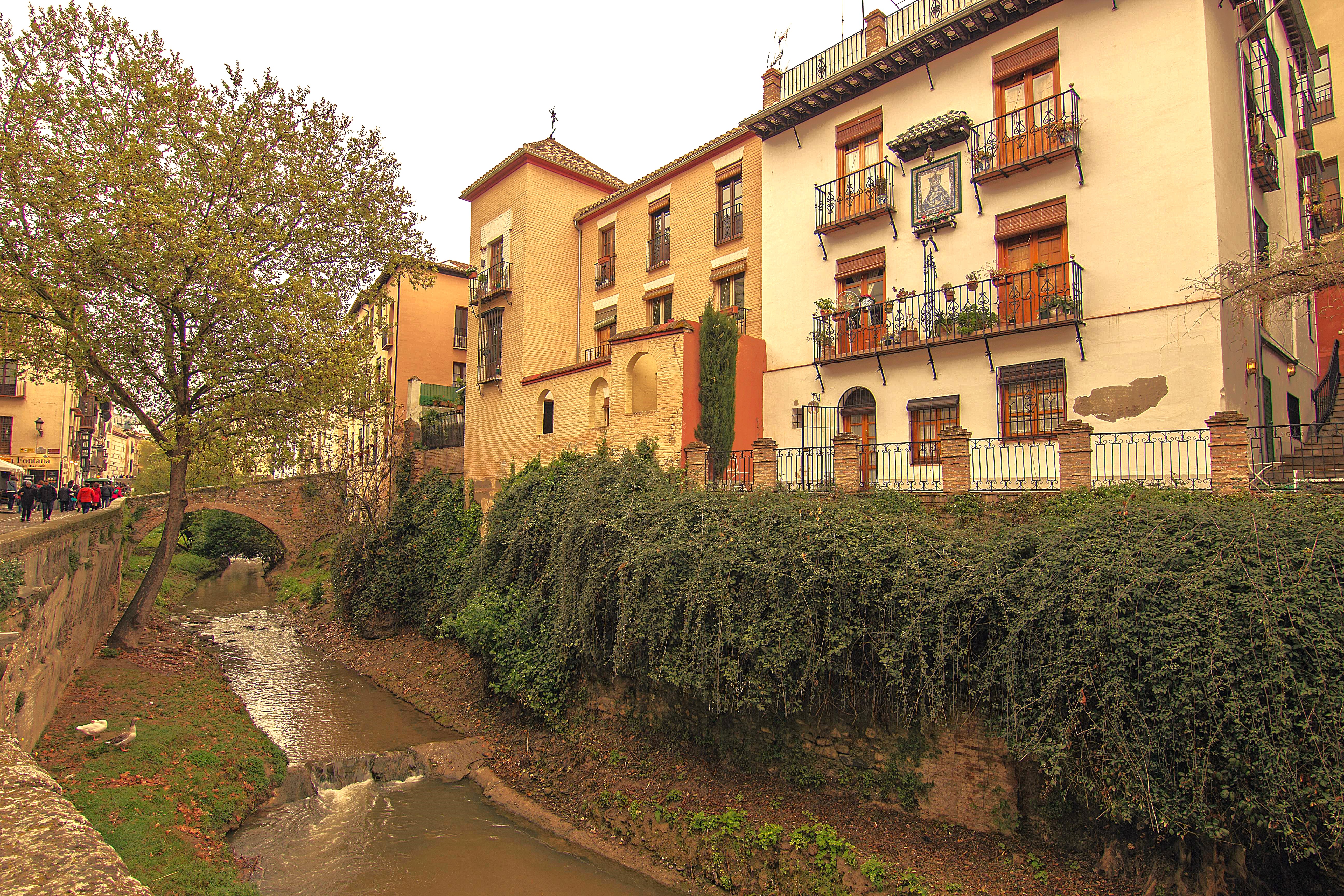 * Carrera del Darro.
Culture and Traditions
Visiting Granada is travelling through time. This jewel of southern Spain, set in the heart of Andalusia, will captivate you with its blend of history, art, and living traditions that breathe from every corner.
A unique legacy
Granada is synonymous with the Alhambra — a breathtaking Nasrid citadel that presides over the city from above. Its palaces, gardens, and fortresses transport you to the golden age of the Muslim kingdom of Al-Andalus. Just below, you can lose yourself in the enchanting Albaicín — an ancient Arab quarter of narrow streets, whitewashed houses, and viewpoints offering spectacular panoramas of the Alhambra.
Another unmissable destination is the Sacromonte, famous for its cave dwellings carved into the hillside and its identity as the flamenco soul of the city. Here the traditional "zambras" — intimate performances of flamenco music and dance — are still celebrated, an experience that will raise the hairs on the back of your neck.
Festivals that bring the streets to life
Granada pulsates with its popular festivals. During Holy Week, solemn and magnificent processions wind through the city streets. In June, Corpus Christi transforms Granada into a great celebration, with festive marquees, traditional parades, music, gastronomy, and the peculiar figure of La Tarasca — a mannequin woman riding a dragon.
Visit Granada on 2 January and you will witness the Día de la Toma, commemorating the entry of the Catholic Monarchs into the city in 1492. And in May, the Cruces de Mayo fill the squares and courtyards with colourful floral crosses, festive atmosphere, and tapas everywhere you turn.
 * Plaza de Bib-Rambla — historic centre, old town.
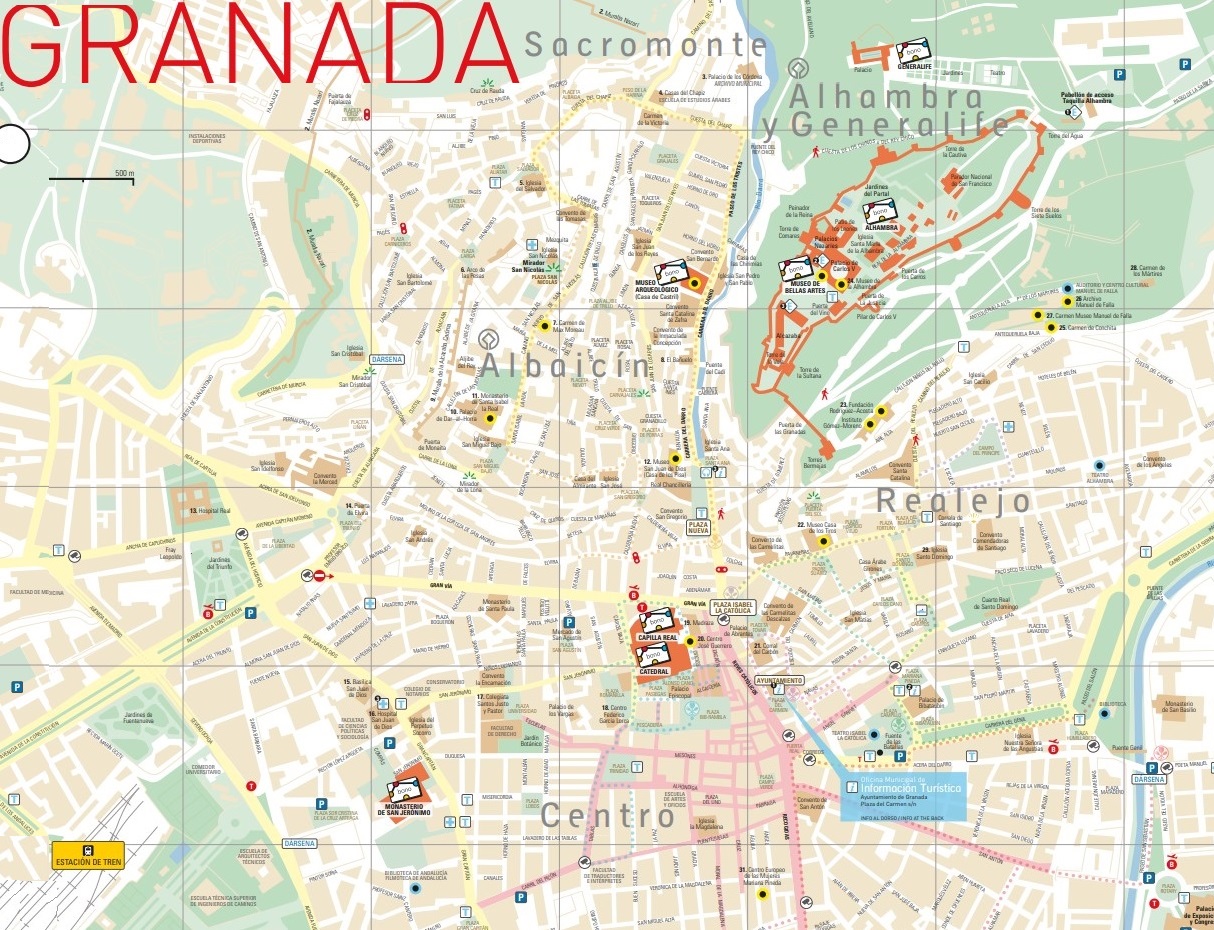
* Street map of the city of Granada. Click to enlarge
* Plaza de Bib-Rambla — historic centre, old town.
* Street map of the city of Granada. Click to enlarge
Flavour and tradition
No visit to Granada is complete without its famous tapas. With every drink you order, a free tapa arrives — turning every stop at a bar into a small feast. Local specialities to try include the tortilla del Sacromonte, the refreshing remojón granadino (a salad of oranges, cod, and olives), and the sweet piononos — delicate pastries originating from the nearby town of Santa Fe.
Art and craft with an Andalusian soul
Granada keeps its artisan tradition alive. In its workshops and shops you will find unique objects: delicate pieces of taracea (wooden objects inlaid with fragments of different coloured woods or materials such as bone, ivory, mother-of-pearl, or metal, arranged in striking geometric designs), along with decorated ceramics, hand-tooled leather, and artistic ironwork. Perfect souvenirs that capture the spirit of the city.
The soul of flamenco
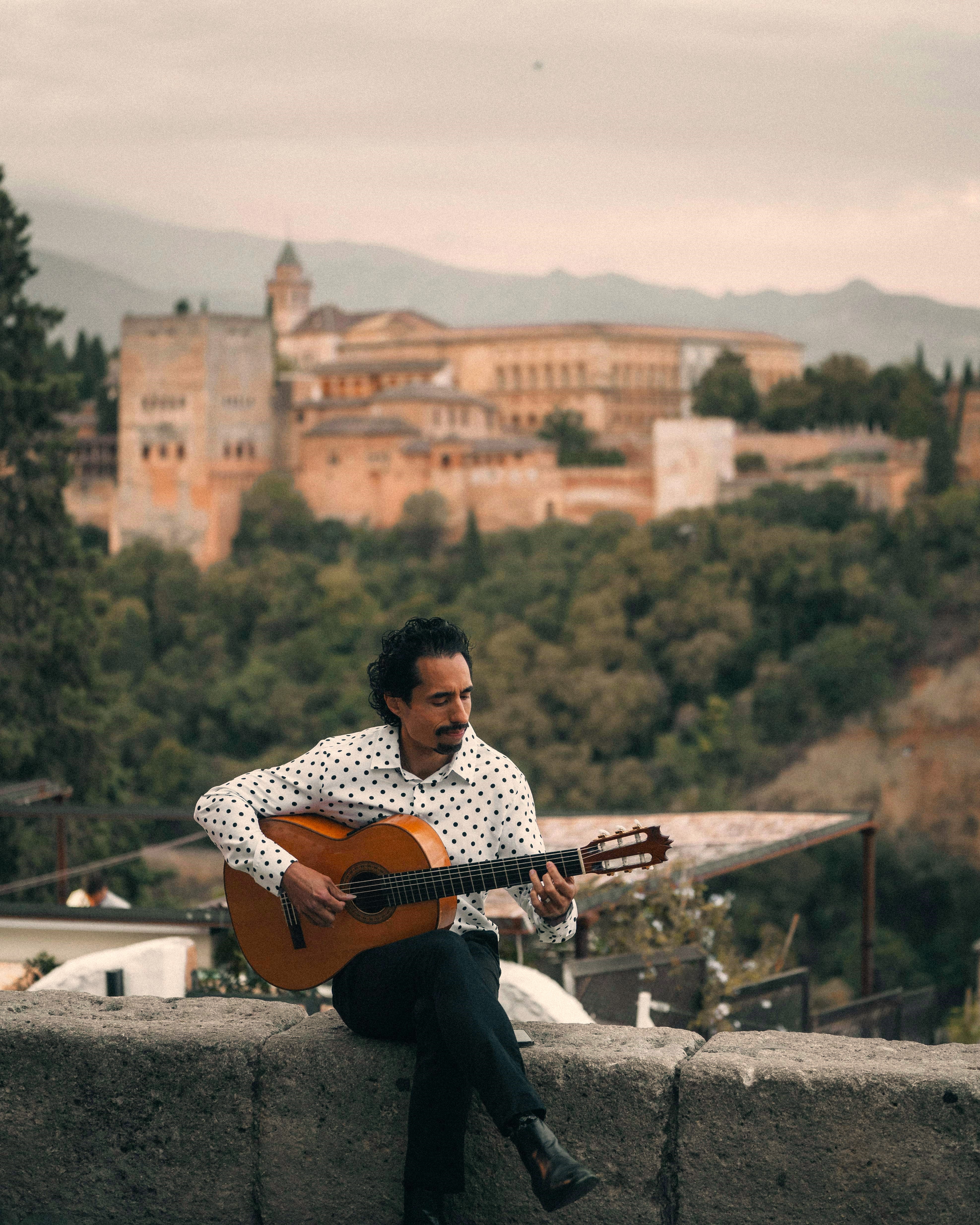
Granada is flamenco country. In the Sacromonte and other corners of the city you can experience intimate and passionate performances where guitar, song, and dance fuse with raw emotion. An unforgettable encounter with the soul of Andalusia.
Granada International Festival of Music and Dance
Held since 1952, this prestigious festival takes place in the palaces and gardens of the Alhambra, and across the principal monuments, streets, and squares of Granada and its province. Each summer it draws around 60,000 spectators and presents classical music, opera, ballet, Spanish dance, and flamenco.
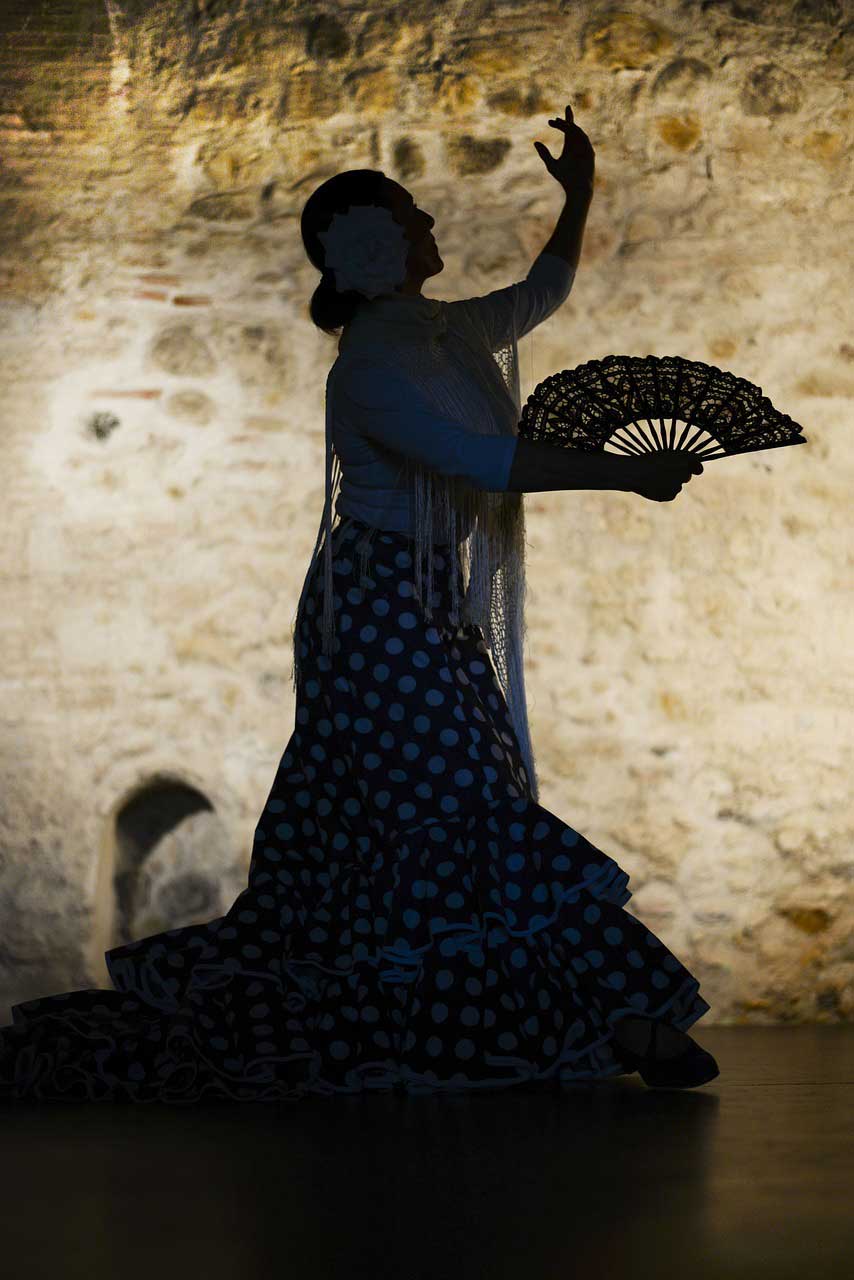 * Flamenco dancer
Did You Know?
- Granada and the Alhambra have strong connections with the UK and British people.
- Granada was the last Muslim stronghold in Western Europe.
- The Alhambra and Generalife receive more than 2.5 million visitors every year — which is why advance ticket booking is always recommended.
- Granada has a rich and complex history, having been shaped by three of the world's great civilisations: Islamic, Christian, and Jewish.
- The Alhambra, Granada's most iconic monument, was originally built as a fortress in the 9th century and did not become a palace until the 13th century.
- In the Alpujarras, the village of Soportújar is known as a place of enchantments and witches.
- Granada was the longest-lasting Muslim kingdom in Europe.
- The province is home to some of the highest peaks on the European continent.
- Its warm coastal climate allows the cultivation of tropical fruits.
- Flamenco capital: Granada is considered one of the world capitals of flamenco, with performances taking place daily across the city.
- The city of a thousand and one nights: this is how Granada is known, thanks to its Arab heritage and its magical atmosphere — by day, and even more so by night.
- A tapas city: Granada is celebrated for its tapas culture — a social ritual as much as a culinary one. Bars and restaurants across the city serve delicious small dishes included with every drink.
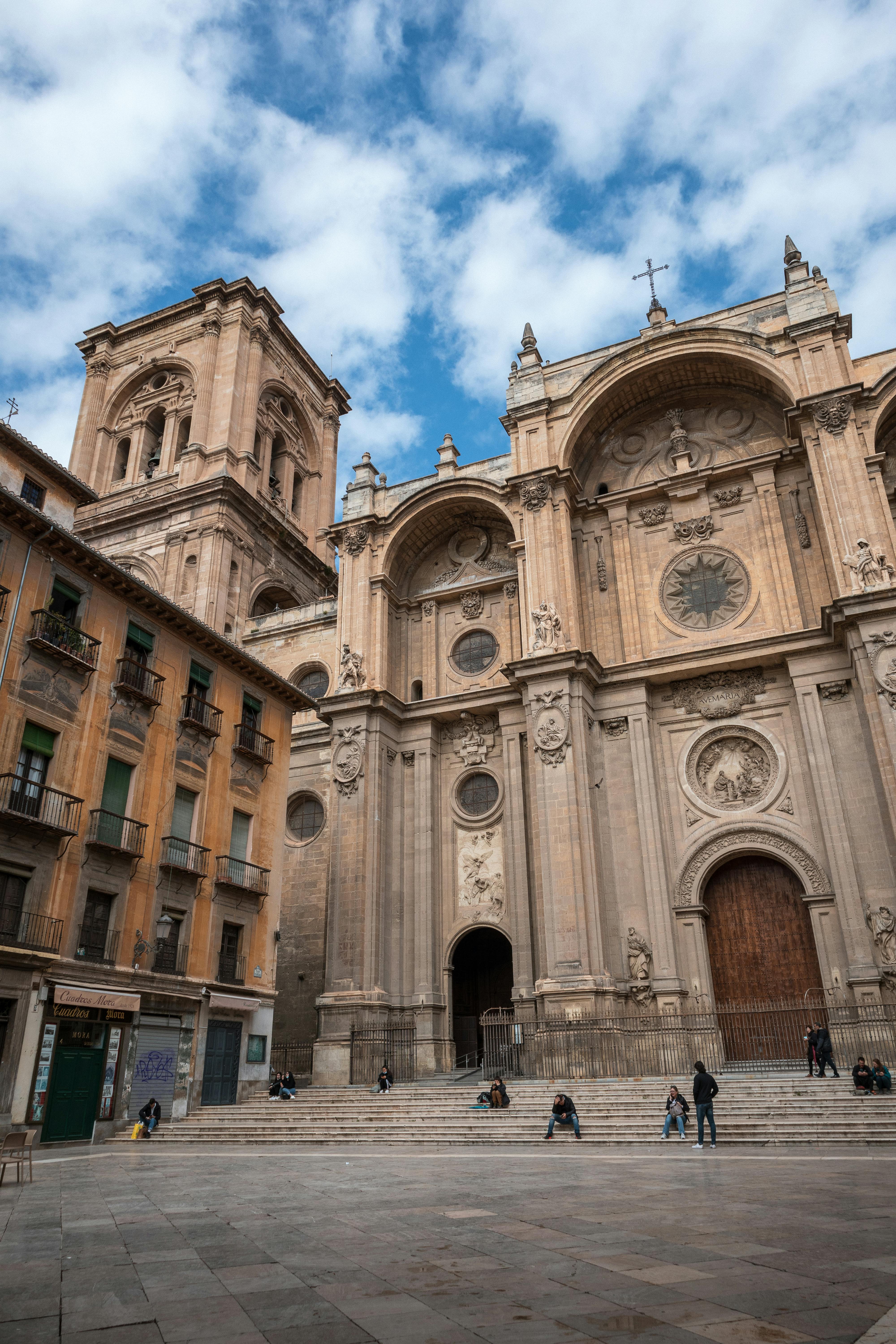
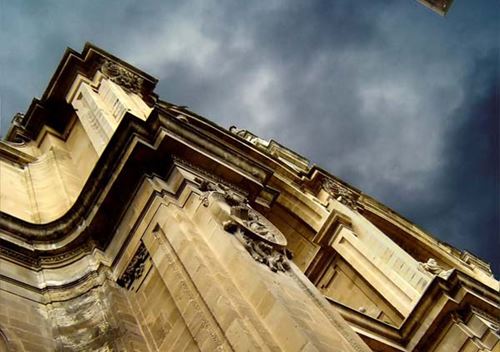
- Granada's Cathedral, one of the largest in Spain, took more than 180 years to build and features a unique blend of architectural styles, from Gothic to Renaissance.
- Granada is known for its "Cármenes" — private houses with walled gardens dating back to the Muslim period.
- The Granada Bullring, built in 1928, is one of the oldest in Spain with a capacity of over 14,000 — today it also hosts cultural events and music concerts.
- Game of Thrones: the world's most famous TV series almost filmed in Granada. Producers considered the Alhambra as a location for the fifth season, but negotiations broke down and filming took place in Seville instead.
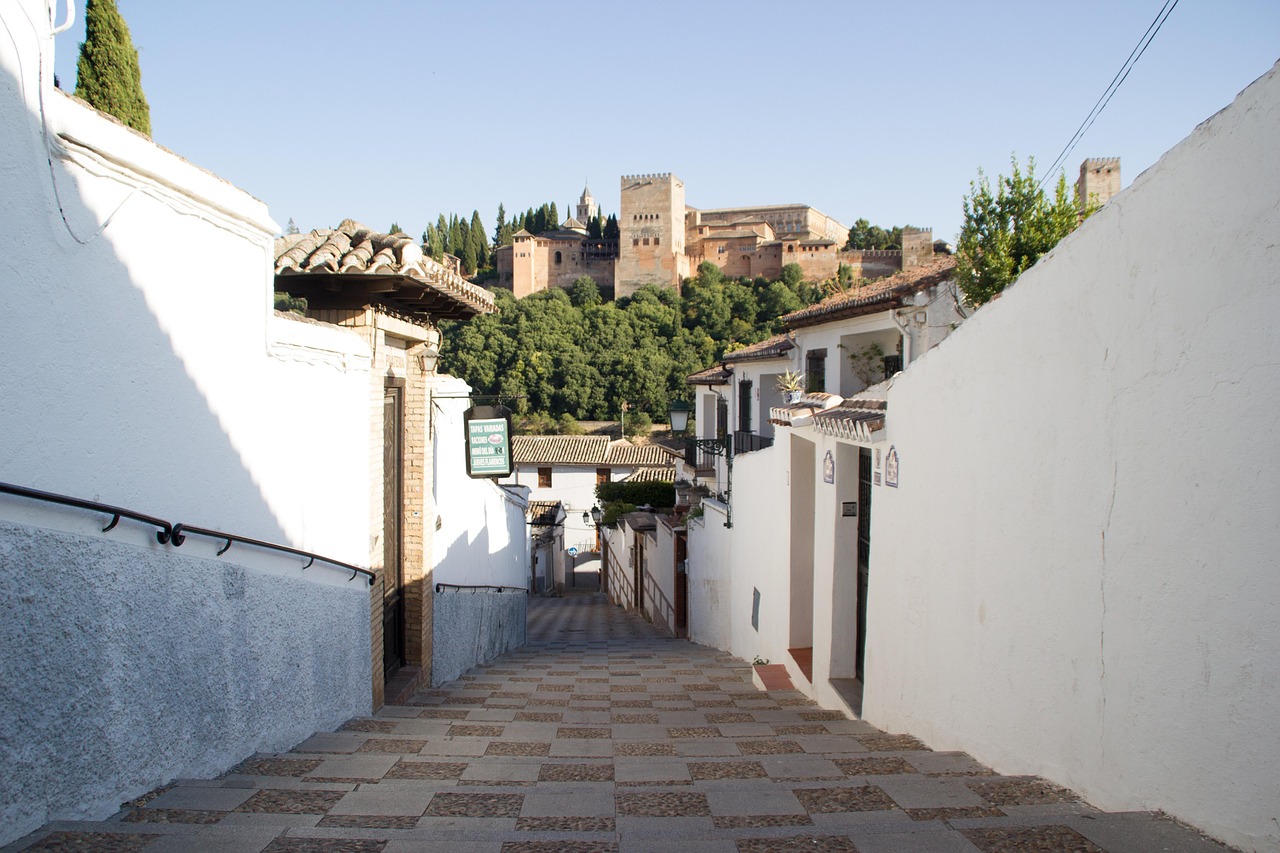 * Cármenes in the Albaicín quarter, facing the Alhambra.
Granada is not simply a place — it is an experience. To walk its streets is to relive history, marvel at its architecture, surrender to the music of flamenco, and witness the unique fusion of East and West. It is, without question, one of the most magical and extraordinary cities in Europe — a place that everyone who visits wants to return to.
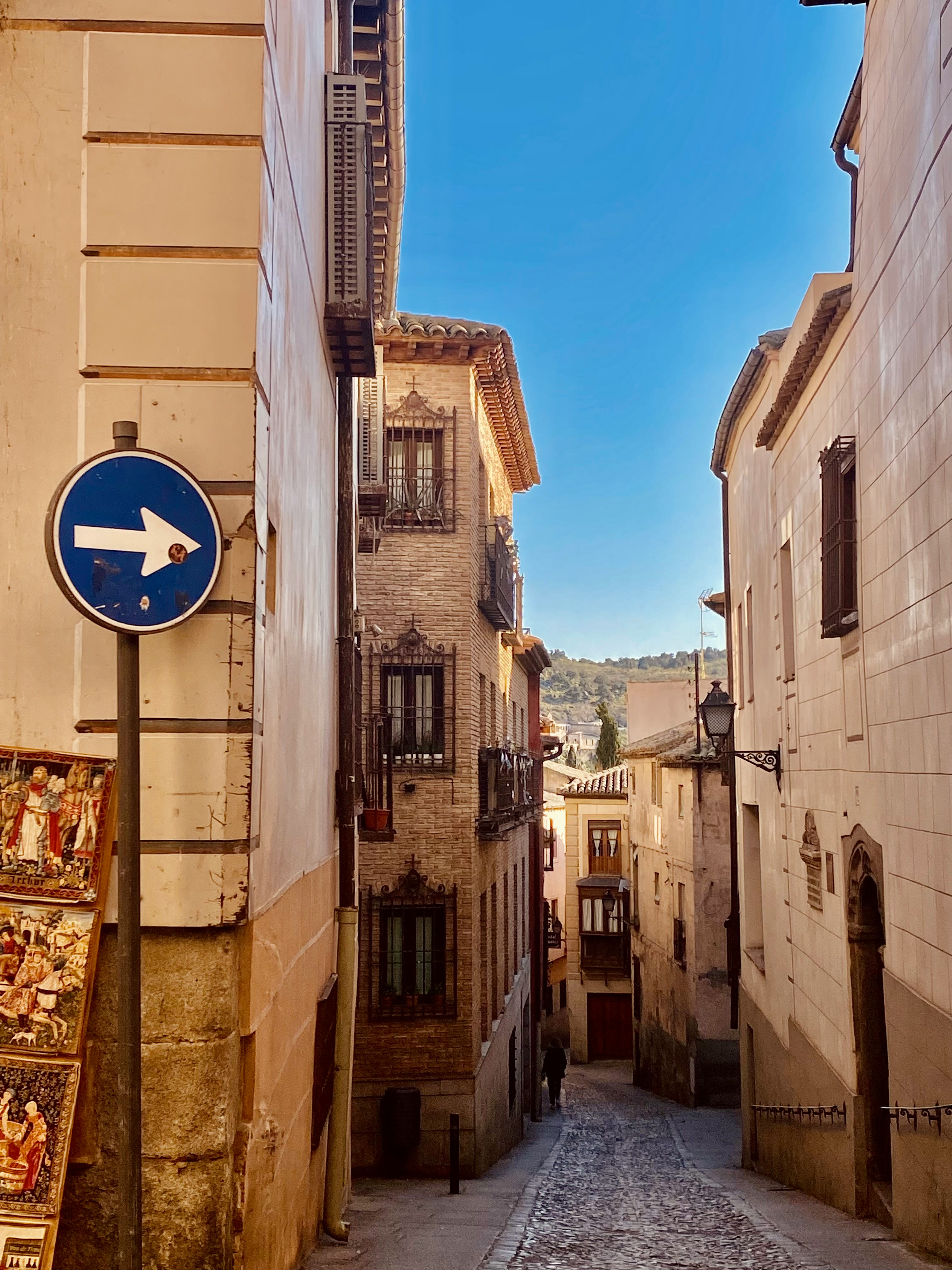
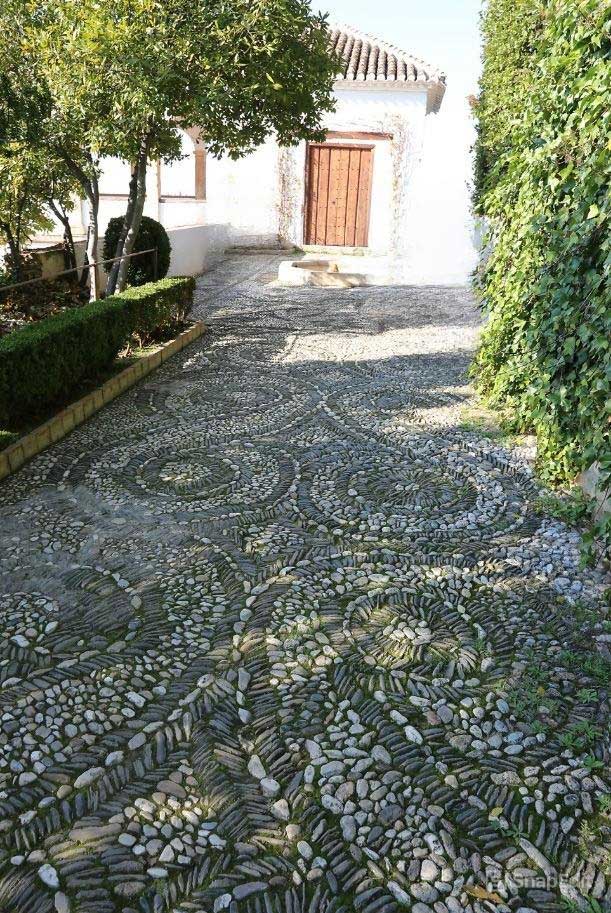
Granada is remarkably easy to navigate by bus, but its compact size and pedestrian-friendly character make walking the best way to experience the city. Many of its greatest treasures are not found on the main avenues, but around quiet corners, narrow streets and unexpected viewpoints. As you explore on foot, you can discover hidden courtyards, charming squares, traditional houses, ancient gateways and spectacular views of the Sierra Nevada and the Alhambra that are easily missed when travelling by vehicle.
When people think of Granada, words such as tradition, monuments, culture and, above all, the Alhambra immediately come to mind. Yet this Andalusian city offers far more than its extraordinary historical heritage. Granada combines centuries of history with the energy of a modern university city, creating a cosmopolitan atmosphere where traditional customs coexist with contemporary culture. Its streets are filled with restaurants, tapas bars, cafés and lively nightlife, while theatres, galleries, cultural centres and music venues provide a varied arts scene throughout the year. Independent shops, artisan businesses and small boutiques also make exploring the city centre an enjoyable experience in itself.
One of Granada's greatest advantages is its relatively compact layout. You can easily explore the historic centre before continuing into some of the city's most atmospheric neighbourhoods. The Albaicín, with its whitewashed houses, winding lanes and legendary views from the Mirador de San Nicolás, offers a completely different experience from the elegant streets of the centre. Nearby Sacromonte is famous for its cave dwellings and flamenco traditions, while Realejo reveals another side of Granada through its historic streets, lively terraces and artistic atmosphere. Each neighbourhood has its own personality, history and places worth discovering.
Granada also provides plenty of opportunities to enjoy open spaces and pleasant walks without leaving the urban environment. You can stroll along Gran Vía, explore the historic Calle Elvira, relax beside the Río Genil on the Paseo del Violón or take a break at the Fuente de las Batallas. The Carrera del Darro, one of the city's most picturesque streets, follows the river beneath the slopes of the Alhambra and is particularly beautiful in the late afternoon. From here, you can continue towards the Paseo de los Tristes and enjoy one of Granada's most iconic urban landscapes.
The city is also strongly influenced by its university population. During the academic year, from roughly September or October until May or June, Granada becomes particularly lively as students from Spain and abroad fill its streets, cafés, libraries, bars and cultural venues. This gives the city a youthful and international character that complements its historic identity. During the Christmas period, the atmosphere changes again, with seasonal markets, illuminated streets, festive attractions, ice skating and activities bringing large numbers of visitors and residents into the centre.
In reality, there is no single season when Granada becomes completely quiet. Each period of the year has its own appeal, although spring and autumn are especially attractive for visitors who want to combine sightseeing with comfortable temperatures. Spring brings colour to the parks, gardens and squares as flowers and trees burst into bloom, while the clear skies often create magnificent views towards the mountains. Autumn offers a more relaxed atmosphere, pleasant temperatures for walking and beautiful golden tones across many of the city's gardens and surrounding landscapes.
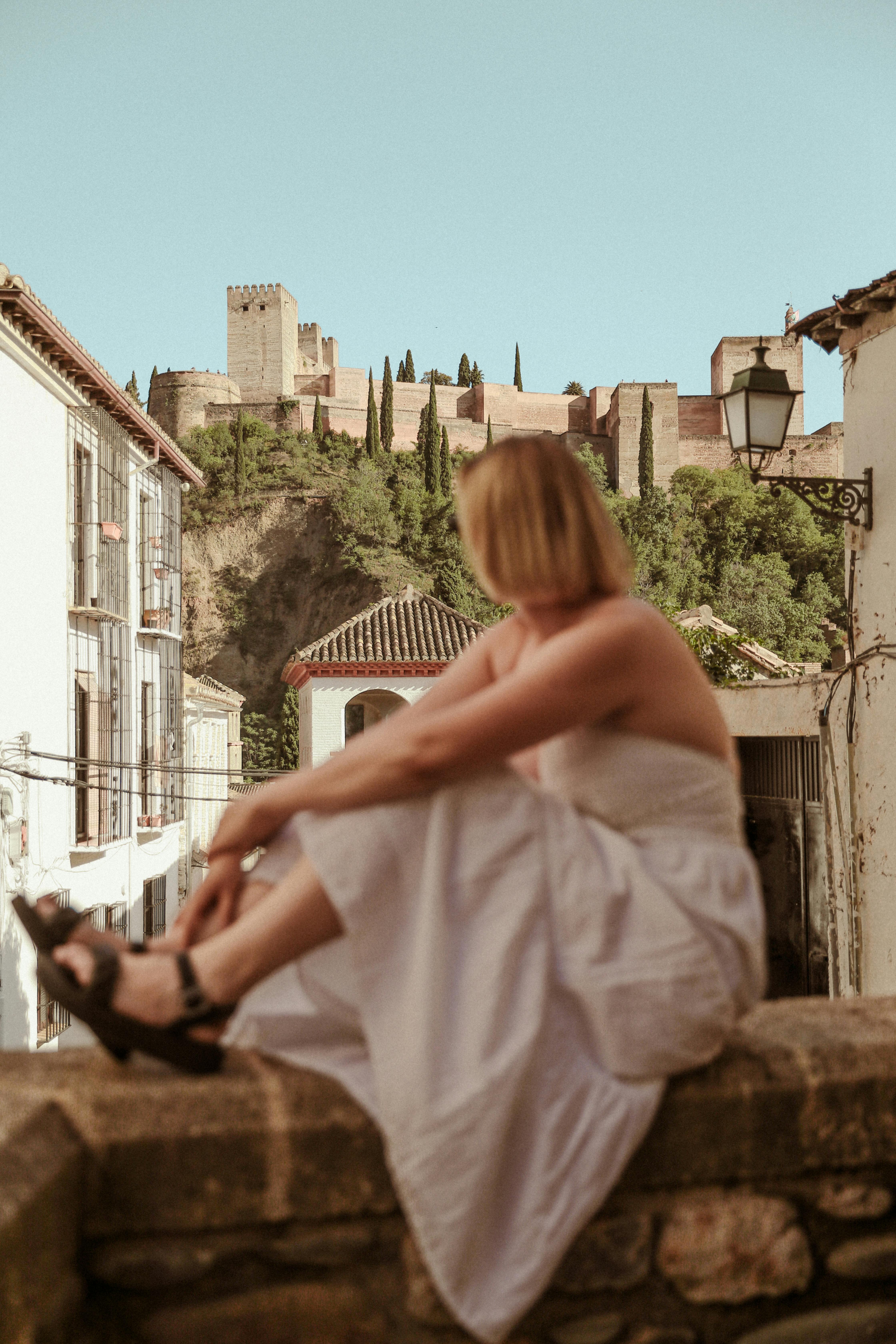
Summer can be warm, particularly during the middle of the day, but Granada takes on a special charm as the sun begins to disappear. The long evenings invite visitors to explore the historic centre, enjoy dinner on a terrace or walk beside the Darro while the monuments gradually become illuminated. Watching the Alhambra and the surrounding hills change colour at sunset is one of those experiences that captures the unique character of the city.
Whether you come for the Alhambra, the historic neighbourhoods, flamenco, gastronomy, architecture, nightlife or simply the atmosphere of Andalusia, Granada rewards travellers who take their time. Its combination of monumental heritage, lively urban life, traditional neighbourhoods, mountain scenery and Mediterranean-Andalusian lifestyle makes it a destination that can be visited repeatedly without ever feeling completely familiar. There is always another street to wander down, another viewpoint to discover, another tapas bar to try or another hidden corner waiting to be found.


.jpg)
.jpg)

.jpg)